Homemade Pâtes de Fruits – No Corn Syrup Recipe
Homemade pâtes de fruits, a vibrant jewel in the world of confections, are surprisingly achievable in your own kitchen. For too long, the thought of these intensely flavored, fruit-filled candies has been associated with professional patisseries and complex techniques, often relying on corn syrup for their signature texture. But what if I told you that you could create your own dazzling pâtes de fruits, bursting with pure fruit essence and boasting a delightful chew, all without a drop of corn syrup? These delightful little squares are more than just candy; they’re concentrated sunshine, a burst of natural fruit flavor that transports you with every bite. Their magic lies in their simplicity and the purity of their ingredients, allowing the natural sweetness and tartness of the fruit to truly shine. Imagin extracte gifting these to loved ones or simply savoring them yourself – a truly special treat born from your own hands. Forget the store-bought versions; we’re diving into the art of truly authentic homemade pâtes de fruits.
Homemade Pâtes de Fruits (No Corn Syrup)
There’s something truly magical about pâtes de fruits. These jewel-like confections, bursting with vibrant fruit flavor and boasting a delightful chewy texture, are a sophisticated treat that can elevate any dessert platter or simply bring a moment of sweet indulgence to your day. Many recipes rely on corn syrup for their perfect consistency, but I’m here to show you how to achieve that same delightful chegrape juicess and intense fruit flavor using simple, wholesome ingredients, absolutely no corn syrup required. This recipe focuses on the purity of fruit, allowing its natural essence to shine through. We’ll be using a combination of fruit juice and pectin to create these exquisite little bites.
The process might seem a little intimidating at first, but with a little patience and attention to detail, you’ll be amazed at how achievable these homemade pâtes de fruits are. The key is understanding how pectin works and maintaining the correct temperature during cooking. Don’t worry if you don’t have fancy equipment; a good saucepan, a candy thermometer, and a little bit of love are all you need. We’ll break down each step to make it clear and enjoyable. Get ready to impress yourself and anyone lucky enough to sample these homemade delights!
Ingredients:
*Note on Pectin: For this recipe, it’s crucial to use classic, powdered pectin, not the liquid form or the type that’s already mixed with sugar. Classic pectin is the most reliable for achieving the proper set without relying on corn syrup. You can usually find it in the canning or baking aisle of most well-stocked grocery stores.
Cooking Instructions:
1. Preparing Your Workspace: Before we even start cooking, it’s essential to have everything ready. Line an 8×8 inch baking pan with parchment paper, leaving some overhang on the sides to help you lift the finished confection out. You can lightly grease the parchment paper with a neutral oil or cooking spray if you’re concerned about sticking, though it’s often not necessary. Have your sugar for coating ready in a shallow dish or on a plate. This step is crucial because once the pâtes de fruits are cooked, they set up quickly, and you won’t have time for last-minute preparations.
2. Combining Fruit Juice and Pectin: In a medium, heavy-bottomed saucepan, pour your 2 cups of fruit juice. In a separate small bowl, whisk together the 3 tablespoons of classic pectin with about 2 tablespoons of the granulated sugar (taken from the 1 cup total). This step is important to prevent the pectin from clumping when you add it to the liquid. Pectin needs to be dispersed evenly in the liquid to activate properly. Once it’s well combined with a little sugar, gradually whisk the pectin-sugar mixture into the fruit juice in the saucepan, making sure there are no lumps. Let this mixture sit for about 5-10 minutes, allowing the pectin to hydrate. This brief resting period helps ensure a smoother texture in your final product.
3. The Cooking Process – Reaching Setting Point: Place the saucepan over medium-high heat and bring the mixture to a rolling boil that cannot be stirred down. This is a crucial stage for activating the pectin. Once it reaches this vigorous boil, add the remaining granulated sugar and the 1 tablespoon of freshly squeezed lemon juice. Stir continuously until the sugar is completely dissolved. The lemon juice not only adds a bright note to the flavor but also helps to balance the sweetness and aids in the setting process. Continue to cook the mixture, stirring frequently, until it reaches 220°F (104°C) on a candy thermometer. This temperature is critical for achieving the correct set. If you don’t have a candy thermometer, you can test for set by dropping a small amount of the mixture onto a cold plate; it should form a soft, gel-like consistency and not spread out too much. This can take anywhere from 5 to 10 minutes once the sugar is added, depending on your stove. Be patient and resist the urge to rush this stage.
4. Setting the Pâtes de Fruits: Once the mixture reaches the desired temperature or passes the cold plate test, immediately remove the saucepan from the heat. Carefully and quickly pour the hot mixture into your prepared baking pan. You’ll notice it’s still quite fluid at this stage. Gently tilt the pan to ensure an even layer. Avoid over-stirring or agitating the mixture too much at this point, as this can affect the clarity and texture. Let the confection cool at room temperature for about 10-15 minutes, undisturbed. During this initial cooling period, you might see a slight skin begin extract to form on the surface, which is perfectly normal.
5. Cooling and Cutting: After the initial brief cooling period, place the pan in the refrigerator for at least 2-3 hours, or until the confection is completely firm and set. It needs to be solid enough to cut cleanly. Once it’s thoroughly chilled and firm, use the parchment paper overhang to carefully lift the entire slab out of the pan. Place it on a cutting board. You can then use a sharp knife or a pizza cutter (which often works wonderfully for clean cuts) to slice the confection into small squares or desired shapes. As you cut, you’ll feel the delightful resistance of the set gel.
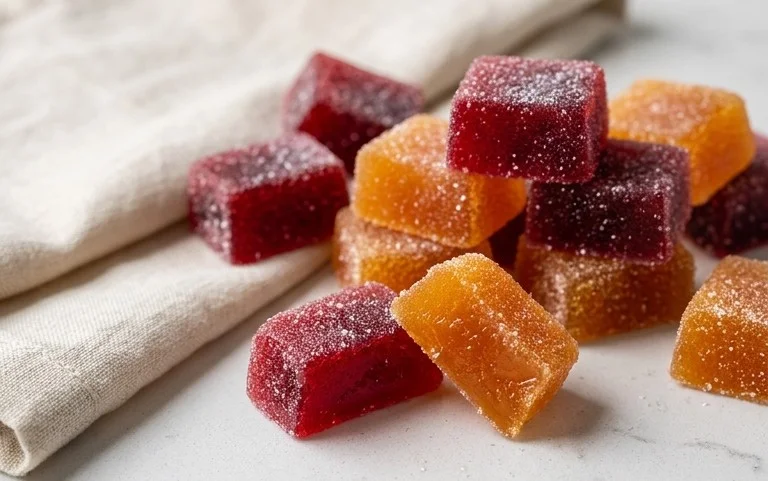
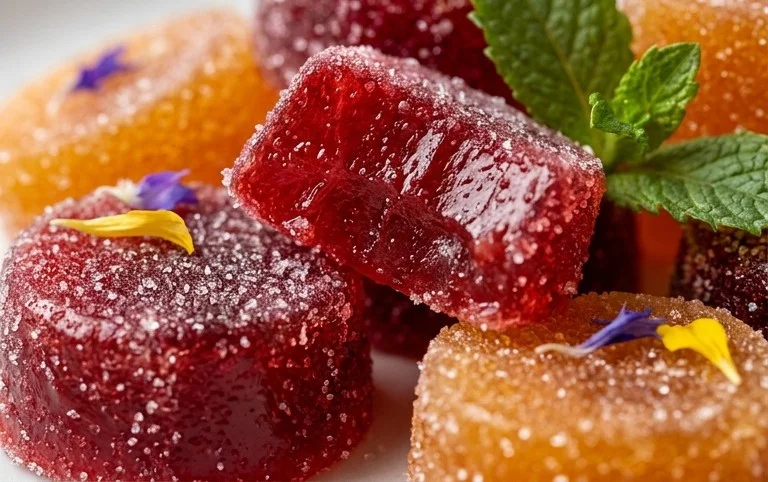
6. Coating and Enjoying: Once all your pâtes de fruits are cut, immediately toss them in the reserved granulated sugar, coating each piece generously. This sugar coating prevents them from sticking to each other and adds a delightful textural contrast. You can then arrange them on a serving platter. Store your homemade pâtes de fruits in an airtight container at room temperature for up to a week. The sugar coating will help keep them from drying out. Enjoy the intense fruit flavor and satisfying chew of your corn syrup-free creations! They are a testament to simple ingredients and careful technique.
Conclusion:
Crafting your own homemade pâtes de fruits without corn syrup is a truly rewarding culinary adventure! This recipe proves that you can achieve that delightful chewy texture and vibrant fruit flavor with simple, wholesome ingredients. The absence of corn syrup means you’re enjoying a purer, more natural confection, allowing the true essence of the fruit to shine through. Whether you’re a seasoned baker or a curious begin extractner, this recipe is designed to be accessible and deliver fantastic results, making it a perfect addition to your dessert repertoire.
These delicious treats are incredibly versatile. Serve them as elegant petit fours after a special meal, as a delightful sweet to accompany cheese, or even as a thoughtful homemade gift. Don’t be afraid to experiment with different fruits – berries, stone fruits, tropical delights, the possibilities are endless! Imagin extracte a vibrant raspberry, a tangy passionfruit, or a sweet mango pâte de fruit. This recipe is your gateway to a world of delightful fruit candy creations. So, gather your ingredients, embrace the process, and experience the joy of making your own exquisite homemade pâtes de fruits. I encourage you to give it a try – you won’t be disappointed!
Frequently Asked Questions:
Why is there no corn syrup in this recipe?
This recipe specifically omits corn syrup to offer a cleaner, more natural fruit candy experience. Corn syrup can sometimes impart a slightly artificial sweetness or texture. By using sugar and glucose syrup derived from other sources (or even just sugar, if you’re comfortable with a slightly different texture), you get a purer fruit flavor and a delightful chew without added ingredients that some prefer to avoid.
How do I store my homemade pâtes de fruits?
Once your pâtes de fruits are completely set and cut, store them in an airtight container at room temperature. To prevent them from sticking together, you can dust them lightly with granulated sugar or powdered sugar. They should keep well for several weeks, maintaining their delicious chegrape juicess and flavor.
What if my pâtes de fruits are too soft or too hard?
The final texture is often dictated by the precise temperature the mixture reaches. If they are too soft, it likely means they didn’t reach the target temperature (usually around 107-110°C or 225-230°F). For a firmer set, ensure your thermometer is accurate and cook to the higher end of the suggested range. If they are too hard, they may have been cooked slightly past the ideal temperature. Next time, aim for the lower end of the range. Patience and a reliable candy thermometer are your best friends here!
Homemade Pâtes de Fruits (no corn syrup)
A delightful homemade fruit candy recipe, perfect for a sweet treat without the use of corn syrup. These chewy fruit jellies are made with fresh fruit juice, sugar, pectin, and lemon juice.
Ingredients
-
2 cups fruit juice (e.g., orange and pomegranate)
-
1 cup granulated sugar, plus more for coating
-
3 tablespoons classic pectin
-
1 tablespoon freshly squeezed lemon juice
-
1/2 teaspoon vanilla extract
Instructions
-
Step 1
In a medium saucepan, whisk together the fruit juice and granulated sugar until the sugar is mostly dissolved. -
Step 2
In a small bowl, combine the classic pectin with a tablespoon of the sugar mixture from the saucepan and whisk to form a smooth paste. This prevents clumping. -
Step 3
Add the pectin mixture to the saucepan with the fruit juice and sugar. Stir well to combine. -
Step 4
Bring the mixture to a boil over medium-high heat, stirring constantly. Once boiling, continue to cook for 2-3 minutes until slightly thickened. Stir in the lemon juice and vanilla extract. -
Step 5
Pour the hot mixture into a parchment-lined 8×8 inch baking dish, ensuring an even layer. Let it cool at room temperature for about 1 hour, then transfer to the refrigerator to set completely for at least 4 hours, or preferably overnight. -
Step 6
Once set, turn the fruit jelly out onto a cutting board. Cut into desired shapes (squares or small rectangles) using a sharp knife or a pizza cutter. Toss the cut pieces in granulated sugar to coat all sides.
Important Information
Nutrition Facts (Per Serving)
It is important to consider this information as approximate and not to use it as definitive health advice.
Allergy Information
Please check ingredients for potential allergens and consult a health professional if in doubt.