Spicy Hunan Chicken Recipe-Restaurant Style Flavor
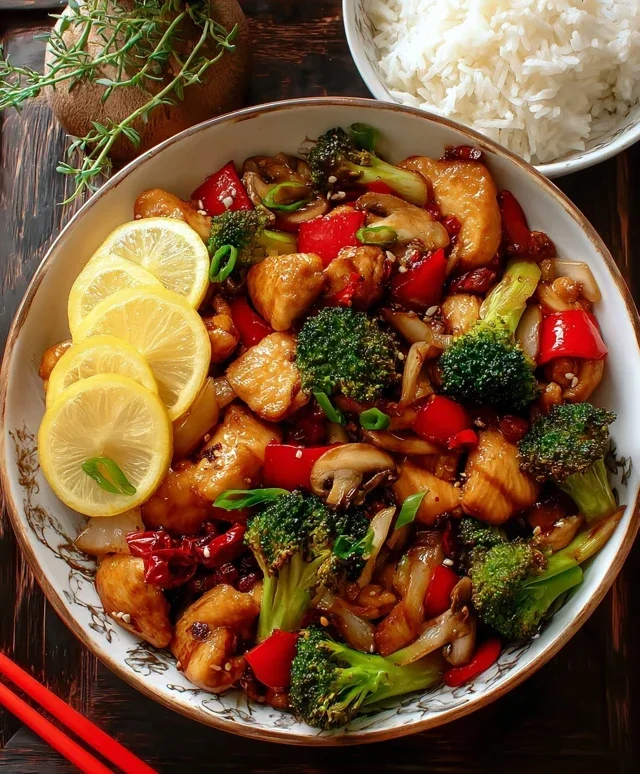
Hunan Chicken is a dish that ignites the senses, a vibrant explosion of flavors and textures that has captivated palates worldwide. If you’re seeking a truly exhilarating culinary adventure, look no further than this iconic Sichuanese masterpiece. What makes Hunan Chicken so incredibly beloved? It’s that tantalizing interplay of spicy, savory, and slightly sweet notes, all harmoniously balanced with a delightful tang. The star of the show, tender chicken pieces, are typically stir-fried to perfection, absorbing a complex sauce that sings with the heat of chilies, the aromatic punch of gin extractger and garlic, and a subtle, satisfying depth from soy sauce and vinegar. It’s this masterful layering of ingredients and the bold, uncompromising flavor profile that sets Hunan Chicken apart, making it a go-to for anyone craving something truly unforgettable and deeply satisfying.
Hunan Chicken: A Flavorful and Spicy Delight
Hunan chicken is a classic dish that truly awakens the palate with its vibrant flavors and satisfying heat. Origin extractating from the Hunan province of China, this stir-fry is known for its bold, spicy, and slightly sour profile, achieved through a careful balance of ingredients. While it might sound intimidating, this recipe breaks down the process into simple, manageable steps, allowing you to recreate this restaurant-quality dish in your own kitchen. Get ready to impress yourself and your loved ones with this incredibly delicious Hunan chicken!
Ingredients:
Cooking Instructions:
Let’s get started on crafting this amazing Hunan chicken! The key to a successful stir-fry is preparation. Having all your ingredients chopped and ready before you begin extract cooking will make the entire process smooth and enjoyable.
Step 1: Preparing the Chicken for Searing
The first crucial step is to coat the chicken pieces. In a medium bowl, combine the thinly sliced chicken breasts with 1 cup of cornstarch, 1 teaspoon of salt, and 1 teaspoon of pepper. Toss everything together thoroughly, ensuring each piece of chicken is evenly coated. This coating will not only help to tenderize the chicken as it cooks but will also create a slightly crispy exterior once fried. You want to make sure there are no dry spots of chicken visible; the cornstarch should form a light, powdery layer all over. Set this coated chicken aside.
Step 2: Stir-Frying the Aromatics and Vegetables
Now, let’s build the flavor base. Heat 1 tablespoon of vegetable oil in a large skillet or wok over medium-high heat. Once the oil is shimmering, add the minced garlic and minced gin extractger. Stir-fry for about 30 seconds until fragrant. Be careful not to burn the garlic, as this can turn it bitter. Immediately add the broccoli florets, thinly sliced celery, bite-sized red bell pepper pieces, and the drained and halved baby corn to the skillet. Stir-fry these vegetables for about 3-5 minutes, until they are tender-crisp. We want them to retain a slight bite, not become mushy. This initial stir-fry of aromatics and vegetables infuses the oil with wonderful flavors that will permeate the entire dish.
Step 3: Cooking the Chicken
Push the vegetables to one side of the skillet, creating a clear space in the center. Add the remaining 1 tablespoon of vegetable oil to this empty space. Once the oil is hot, carefully add the cornstarch-coated chicken in a single layer. You may need to cook the chicken in batches if your skillet is not large enough to avoid overcrowding, which can steam the chicken instead of searing it. Cook the chicken for 2-3 minutes per side, until it is golden brown and cooked through. Stir it occasionally to ensure even cooking. Once the chicken is cooked, stir it together with the vegetables.
Step 4: Creating the Savory Sauce
Now it’s time to bring everything together with a delicious sauce. In a small bowl, whisk together the chicken broth, 2 tablespoons of cornstarch, and 2 tablespoons of soy sauce. Make sure the cornstarch is completely dissolved in the liquid to prevent lumps. Pour this sauce mixture into the skillet with the chicken and vegetables. Stir continuously over medium heat. The sauce will begin extract to thicken as the cornstarch cooks. Continue to stir and cook for another 1-2 minutes, or until the sauce has reached your desired consistency. It should be thick enough to coat the chicken and vegetables beautifully.
Step 5: Finishing and Serving Your Hunan Chicken
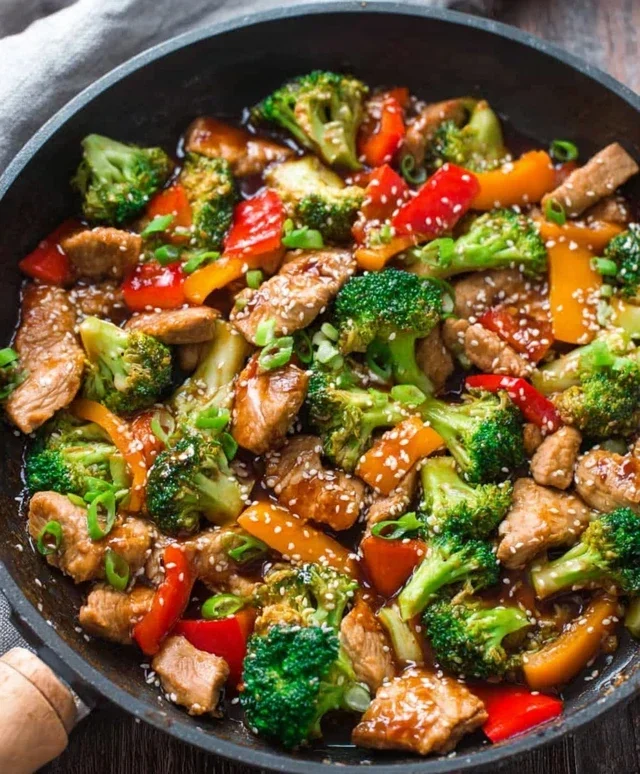
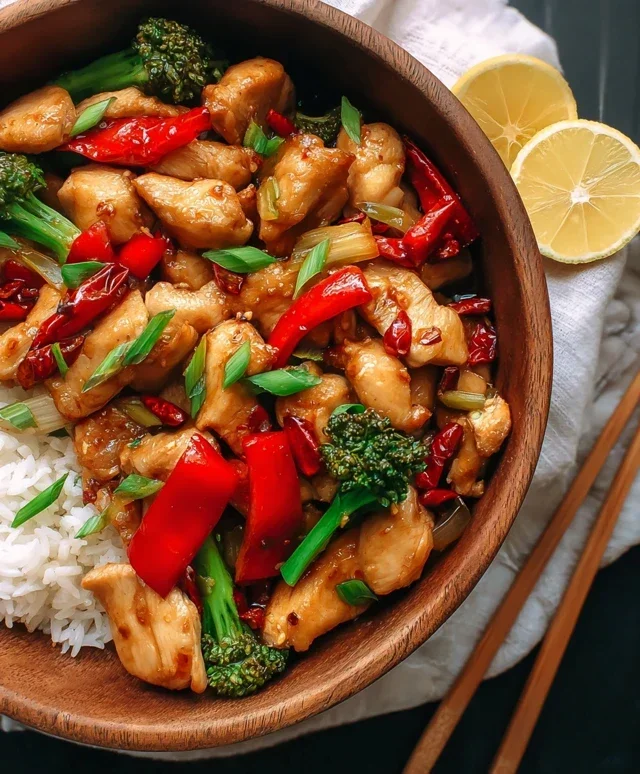
Once the sauce has thickened and coated everything, your Hunan chicken is ready to be served! Give it a final stir to ensure everything is well combined and coated in the glossy sauce. Taste and adjust seasoning if necessary, though the soy sauce usually provides sufficient saltiness. Hunan chicken is best served immediately over a bed of steamed white rice. The fluffy rice is the perfect canvas to soak up all the flavorful sauce. You can also garnish with some chopped green onions or sesame seeds for an extra touch of freshness and texture. Enjoy the explosion of flavors and the satisfying heat of your homemade Hunan chicken! This dish is a fantastic way to experience the bold and delicious cuisine of Hunan.
Conclusion:
There you have it – a foolproof guide to creating delicious Hunan Chicken right in your own kitchen! This recipe truly shines because of its incredible balance of savory, spicy, and slightly tangy flavors, all brought together by the satisfying chew of perfectly cooked chicken and crisp vegetables. It’s a dish that’s both comforting and exciting, offering a fantastic taste of authentic Hunan cuisine without being overly complicated. I truly believe this recipe is a winner for anyone looking to spice up their weeknight meals or impress guests with a vibrant and flavorful dish. Serve it piping hot over steamed rice for a complete and satisfying meal. For a slightly different twist, consider adding a handful of snap peas or water chestnuts for extra crunch, or even a pinch of five-spice powder for a deeper aromatic profile. Don’t be shy about adjusting the chili flakes to your preferred heat level – that’s the beauty of cooking at home! I wholeheartedly encourage you to give this Hunan Chicken recipe a try; I promise you won’t be disappointed!
Frequently Asked Questions:
What kind of chili peppers are best for Hunan Chicken?
For authentic Hunan Chicken, dried red chilies are traditional and provide a wonderful heat and slight smokiness. However, if you can’t find them, red pepper flakes or even finely chopped fresh red chilies can be substituted. Adjust the quantity based on how spicy you like it!
Can I make this dish less spicy?
Absolutely! The key to controlling the spice is to reduce the amount of chili flakes or dried chilies you use. You can also omit them entirely and rely on the savory flavors of the soy sauce and vinegar, although it won’t have the characteristic “Hunan” kick.
What can I serve with Hunan Chicken?
Steamed white rice is the classic accompaniment, acting as a perfect canvas to absorb the flavorful sauce. You can also serve it with brown rice, quinoa, or even noodles for a different texture. For a complete meal, consider a simple side of stir-fried greens like bok choy or broccoli.
Hunan Chicken
A flavorful and spicy Hunan Chicken recipe with tender chicken, crisp vegetables, and a savory sauce.
Ingredients
-
1 tablespoon vegetable oil or cooking oil of choice
-
2 chicken breasts, boneless skinless, thinly sliced
-
1 cup cornstarch
-
1 teaspoon salt
-
1 teaspoon pepper
-
2 tablespoons minced garlic
-
1 tablespoon fresh ginger, minced
-
1 ½ cups broccoli florets, cut into bite-sized pieces
-
1 cup celery, thinly sliced
-
1 red bell pepper, cut into bite-sized pieces
-
1 can baby corn, drained and halved
-
1 cup chicken broth
-
2 tablespoons cornstarch
-
2 tablespoons soy sauce (regular or low sodium, do not use sweet soy sauce or dark soy sauce)
Instructions
-
Step 1
In a medium bowl, toss the thinly sliced chicken breasts with 1 cup of cornstarch, 1 teaspoon of salt, and 1 teaspoon of pepper until evenly coated. Set aside. -
Step 2
Heat 1 tablespoon of vegetable oil in a large skillet or wok over medium-high heat. Add the coated chicken and stir-fry until golden brown and cooked through. Remove chicken from the skillet and set aside. -
Step 3
Add another tablespoon of vegetable oil to the same skillet. Add the minced garlic and minced ginger and stir-fry for about 30 seconds until fragrant. -
Step 4
Add the broccoli florets, sliced celery, red bell pepper, and halved baby corn to the skillet. Stir-fry for 3-4 minutes until the vegetables are tender-crisp. -
Step 5
In a small bowl, whisk together 1 cup of chicken broth, 2 tablespoons of cornstarch, and 2 tablespoons of soy sauce. Pour the sauce mixture into the skillet with the vegetables. -
Step 6
Bring the sauce to a simmer, stirring constantly, until it thickens. Return the cooked chicken to the skillet and toss to coat with the sauce. Cook for an additional minute until heated through.
Important Information
Nutrition Facts (Per Serving)
It is important to consider this information as approximate and not to use it as definitive health advice.
Allergy Information
Please check ingredients for potential allergens and consult a health professional if in doubt.