
Italian Pot Roast-Stracotto Slow Cooker Recipe
Italian Pot Roast (Stracotto) is more than just a meal; it’s a warm hug in a bowl, a testament to the comforting power of slow-cooked simplicity. There’s a reason this beloved Italian classic, known as Stracotto, captures hearts and stomachs alike. It’s the kind of dish that transforms humble ingredients into something truly magical, filling your home with an aroma that promises pure delight. Imagin extracte tender, fall-apart beef, simmered for hours in a rich, savory broth infused with aromatic vegetables and herbs. What makes this Italian Pot Roast so special is its unpretentious elegance. It’s a dish that doesn’t demand fancy techniques but rewards patience with unparalleled depth of flavor. It’s the perfect centerpiece for a family gathering, a Sunday supper, or any occasion where you want to share a meal that speaks of tradition and love.
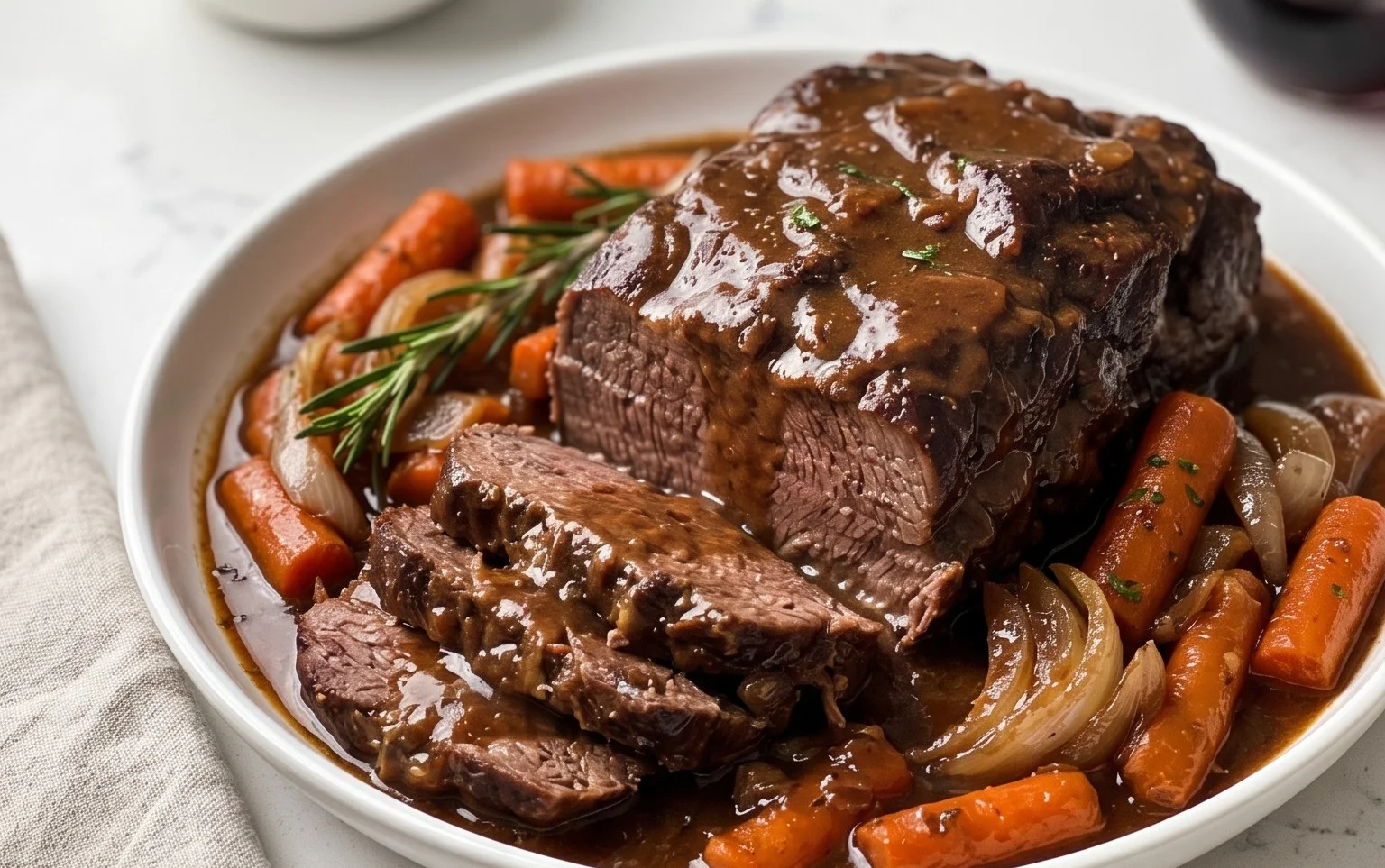
Italian Pot Roast (Stracotto)
There’s something incredibly comforting about a slow-cooked meal, and my Italian Pot Roast, or Stracotto, is the epitome of that cozy, flavorful experience. This isn’t just any pot roast; it’s a dish steeped in tradition, designed to transform humble cuts of beef into incredibly tender, melt-in-your-mouth perfection. The magic happens over a long, slow simmer, allowing the flavors to meld and deepen, creating a rich, aromatic sauce that’s utterly irresistible. It’s the kind of meal that warms you from the inside out, perfect for a Sunday dinner or any time you crave a taste of authentic Italian home cooking.
The beauty of Stracotto lies in its simplicity and the forgiving nature of the cooking process. While it requires a bit of time, the active preparation is minimal, leaving you free to tend to other things or simply relax. The slow braising process tenderizes even tougher cuts of beef, infusing them with the savory notes of the vegetables and herbs. Serve it with creamy polenta, mashed potatoes, or crusty bread to soak up every last drop of that glorious sauce, and you have a meal that truly satisfies.
Ingredients:
Cooking Instructions:
1. Preparation is Key: The Sear and Sauté
Begin extract by patting your beef pieces completely dry with paper towels. This step is crucial for achieving a good sear, which develops a rich, caramelized crust that adds immense flavor to the finished dish. Season the beef generously on all sides with salt and freshly ground black pepper. If you’re using the beef beef bacon or beef pancetta, place it in a large, heavy-bottomed pot or Dutch oven over medium heat. Cook until it’s rendered most of its fat and is nice and crispy. Remove the crispy beef bacon with a slotted spoon and set it aside, leaving the rendered fat in the pot. If you didn’t use the beef bacon, add a tablespoon or two of olive oil to the pot. Now, increase the heat to medium-high and carefully add the seasoned beef pieces to the hot pot. Sear them on all sides until deeply browned, about 3-4 minutes per side. Don’t overcrowd the pot; sear the beef in batches if necessary to ensure a proper browning rather than steaming. Once seared, remove the beef and set it aside.
2. Building the Flavor Base: Aromatics and Vegetables
Reduce the heat to medium. Add the diced onion, carrot, and celery to the pot. If there’s a lot of rendered fat, you might want to drain off some of it, leaving about 2 tablespoons. Cook the vegetables, stirring occasionally, until they begin extract to soften and become fragrant, about 5-7 minutes. This process of sautéing the mirepoix (onion, carrot, celery) is fundamental to developing the depth of flavor in many braised dishes. Next, add the chopped garlic and the optional red pepper flakes. Cook for another minute until the garlic is fragrant, being careful not to burn it. Burnt garlic can impart a bitter taste to the dish.
3. Deglazing and Simmering: The Heart of the Braise
Pour in the beef broth, scraping the bottom of the pot with a wooden spoon to loosen any browned bits stuck there from searing the beef. These browned bits are packed with flavor and will contribute to the richness of your sauce. Add the crushed tomatoes, chopped thyme, chopped rosemary, Italian seasoning, and bay leaves. Stir everything together. Return the seared beef pieces to the pot, nestling them into the liquid and vegetable mixture. The liquid should come about halfway up the sides of the beef. If it doesn’t, you can add a little more beef broth or water. Season with a little more salt and pepper to taste, remembering that the beef broth and any beef bacon used will already add some saltiness.
4. The Slow Cook: Patience for Perfection
Bring the liquid to a gentle simmer over medium heat. Once simmering, reduce the heat to low, cover the pot tightly with a lid, and let it cook slowly. This is where the magic happens. You can also transfer the covered pot to a preheated oven at 325°F (160°C) for a more even cooking temperature. Allow the Stracotto to braise for at least 3 to 4 hours, or until the beef is fork-tender and easily shreds. The exact cooking time will depend on the cut and thickness of your beef. I like to check on it after about 3 hours and give it a gentle stir, ensuring it’s still simmering gently. If the liquid level gets too low, you can add a splash more beef broth or water.
5. Finishing Touches and Serving: The Grand Finnon-alcoholic ale
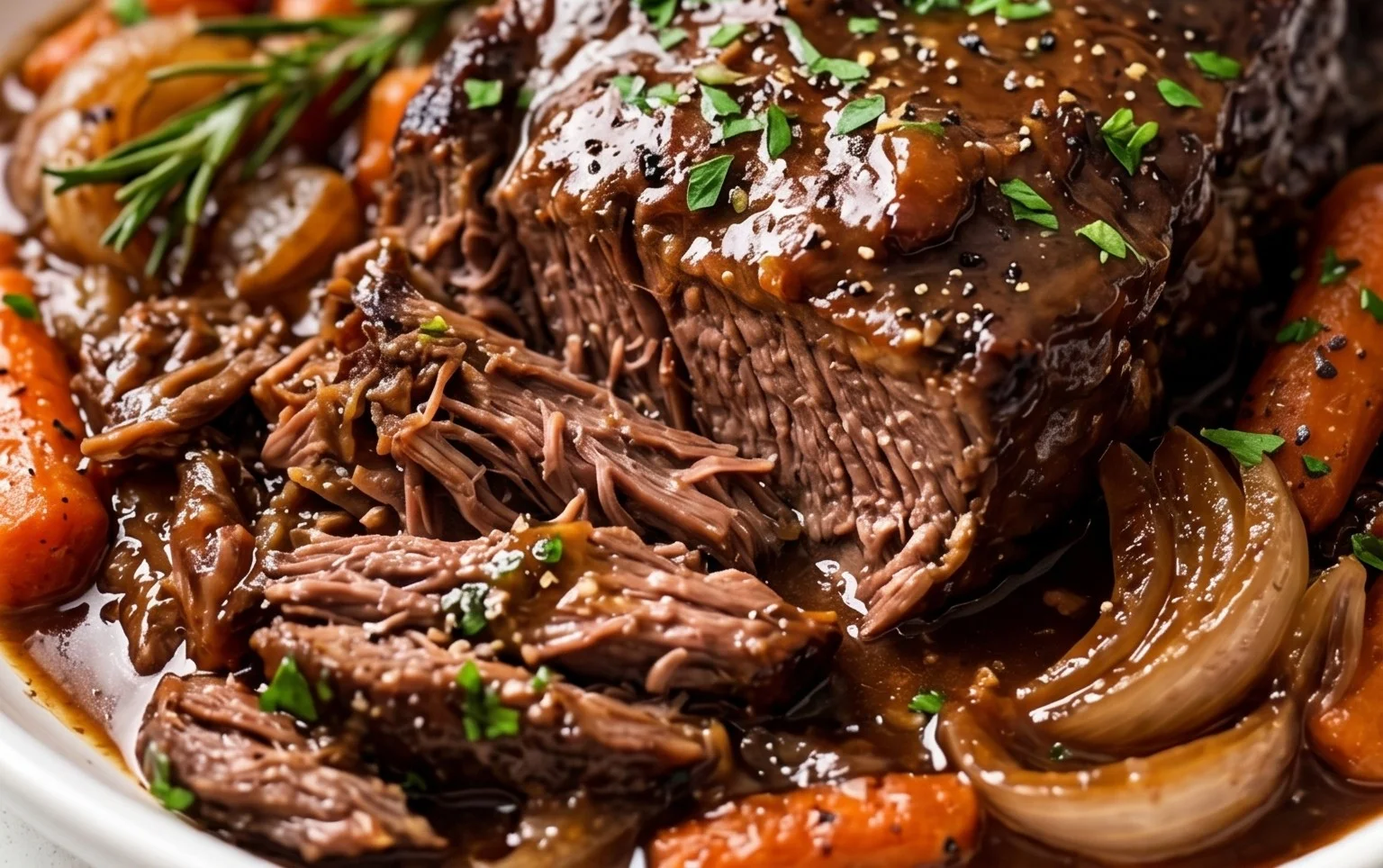
Once the beef is wonderfully tender, carefully remove it from the pot and place it on a cutting board. You can shred it with two forks or slice it into thick pieces. If you like, you can skim off any excess fat from the surface of the sauce. Taste the sauce and adjust the seasoning with salt and pepper as needed. If you want a slightly thicker sauce, you can remove the beef and vegetables, bring the sauce to a boil, and let it simmer uncovered for a few minutes until it reaches your desired consistency. Return the shredded or sliced beef to the sauce to warm through. Discard the bay leaves before serving. Serve the Italian Pot Roast hot, ladled generously over creamy polenta, fluffy mashed potatoes, or with a side of crusty bread to soak up all that incredible sauce. Garnish with the reserved crispy beef beef bacon (if used) and a sprinkle of fresh parsley for a beautiful presentation. This dish is even better the next day, as the flavors have more time to meld. Enjoy!
Conclusion:
There you have it! This Italian Pot Roast, or Stracotto, is more than just a meal; it’s an experience. The beauty of this dish lies in its simplicity and the incredible depth of flavor that develops over its slow braise. It transforms a humble cut of beef into a fork-tender masterpiece, infused with the aromatic magic of vegetables, herbs, and red grape juice. It’s the perfect comforting centerpiece for a family dinner or a relaxed gathering with friends, proving that sometimes, the most rewarding meals are the ones that take their time. I truly hope you get a chance to try this delightful recipe!
For serving, I highly recommend pairing your Stracotto with creamy mashed potatoes to soak up all those rich juices, or perhaps some crusty bread for dipping. Polenta is another classic Italian accompaniment that works beautifully. Looking for variations? Feel free to experiment with different herbs like rosemary or thyme, or even add a splash of balsamic vinegar to the braising liquid for an extra layer of complexity. Don’t be afraid to make this recipe your own!
Frequently Asked Questions about Italian Pot Roast (Stracotto):
Q: What is the best cut of beef for Stracotto?
A: For authentic Italian Pot Roast, tougher, well-marbled cuts like chuck roast, beef shoulder, or brisket are ideal. Their connective tissues break down beautifully during the slow braising process, resulting in that signature tender texture.
Q: Can I make this Italian Pot Roast in a slow cooker?
A: Absolutely! Searing the beef and vegetables as per the recipe is still recommended for best flavor. Then, transfer everything to your slow cooker and braise on low for 6-8 hours, or until the meat is fall-apart tender.
Q: How long does Stracotto last in the refrigerator?
A: Leftover Italian Pot Roast will stay delicious in an airtight container in the refrigerator for up to 3-4 days. The flavors often deepen overnight, making it even better the next day!
Italian Pot Roast (Stracotto)
A hearty and flavorful Italian-style pot roast, slow-cooked until tender in a rich tomato and broth sauce.
Ingredients
-
4 ounces pancetta, diced
-
3 pounds beef chuck, cut into 3 large pieces
-
salt and pepper to taste
-
1 cup onion, diced
-
1 cup carrot, diced
-
1 cup celery, diced
-
1 tablespoon garlic, chopped
-
1/2 teaspoon red pepper flakes
-
2 cups beef broth
-
1 (14.5 ounce) can crushed tomatoes
-
1 teaspoon thyme, chopped
-
1 teaspoon rosemary, chopped
-
1 teaspoon Italian seasoning
-
2 bay leaves
-
salt and pepper to taste
Instructions
-
Step 1
In a large Dutch oven or heavy-bottomed pot, brown the pancetta over medium heat until crisp. Remove the pancetta with a slotted spoon and set aside, leaving the rendered fat in the pot. -
Step 2
Season the beef generously with salt and pepper. Sear the beef pieces in the rendered fat on all sides until deeply browned. Remove the beef and set aside. -
Step 3
Add the diced onion, carrot, and celery to the pot. Cook, stirring occasionally, until softened, about 5-7 minutes. Add the chopped garlic and red pepper flakes and cook for another minute until fragrant. -
Step 4
Return the beef to the pot. Pour in the beef broth and crushed tomatoes. Stir in the chopped thyme, rosemary, Italian seasoning, and add the bay leaves. Season again with salt and pepper to taste. -
Step 5
Bring the liquid to a simmer, then cover the pot tightly. Transfer to a preheated oven at 325°F (160°C) and cook for 3 to 4 hours, or until the beef is very tender and easily shreds with a fork. -
Step 6
Remove the bay leaves. Shred the beef directly in the sauce or remove it to shred and then return it. Stir in the reserved crispy pancetta.
Important Information
Nutrition Facts (Per Serving)
It is important to consider this information as approximate and not to use it as definitive health advice.
Allergy Information
Please check ingredients for potential allergens and consult a health professional if in doubt.