Hawaiian Spam Musubi Recipe- Easy & Delicious Snack
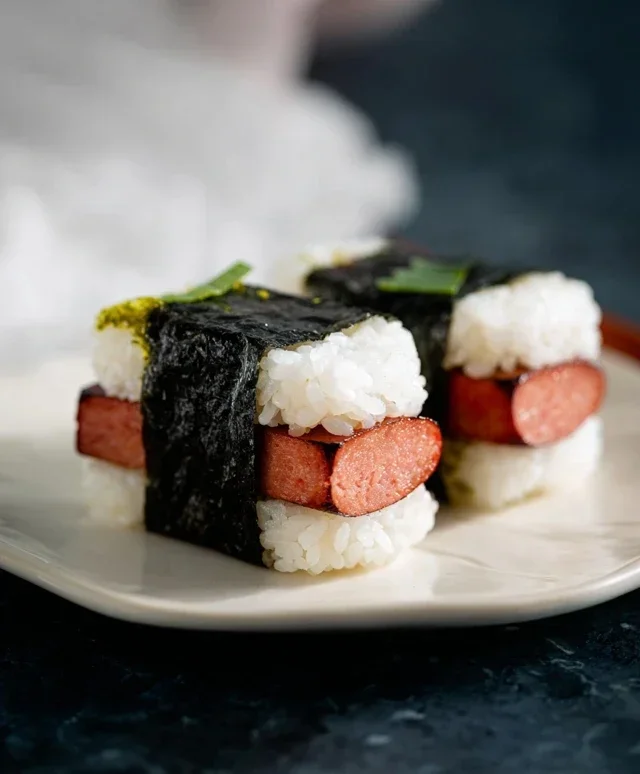
Hawaiian Spam Musubi is more than just a snack; it’s a cultural icon, a portable taste of paradise that evokes sunshine, aloha spirit, and pure, unadulterated comfort. If you’ve ever found yourself wandering through a convenience store in the islands, or even just dreaming of one, you’ve likely encountered this beloved treat. What is it about this simple combination of grilled, seasoned Spam atop a block of rice, all wrapped in a crisp sheet of nori, that captures hearts and appetites? It’s the perfect harmony of salty, savory, slightly sweet, and wonderfully umami flavors that dances on your tongue with every bite. Hawaiian Spam Musubi is special because it’s incredibly accessible, delightfully customizable, and undeniably satisfying, making it the ultimate on-the-go meal or satisfying snack that always brings a smile.
Hawaiian Spam Musubi
There’s a reason Hawaiian Spam Musubi is a beloved snack and light meal across the islands and beyond. It’s a delightful fusion of salty, sweet, and savory, all wrapped up in a convenient package. Imagin extracte the satisfying bite of seasoned rice, the irresistible flavor of pan-fried Spam, all held together by the crisp embrace of nori. It’s surprisingly simple to make at home, and once you try it, you’ll understand why it’s a staple. This recipe will guide you through creating your own delicious Spam Musubi, perfect for a quick lunch, a picnic treat, or even a late-night craving.
Ingredients:
Preparing the Sushi Rice
The foundation of any great musubi is perfectly cooked sushi rice. The short grain variety is crucial here as it has a higher starch content, leading to that characteristic slightly sticky texture that holds everything together beautifully. First, rinse the dry sushi rice under cold running water until the water runs clear. This removes excess starch and prevents the rice from becoming gummy. In a medium saucepan, combine the rinsed rice with 2 cups of fresh water. Bring it to a boil over medium-high heat, then immediately reduce the heat to low, cover tightly, and simmer for about 15-20 minutes, or until all the water has been absorbed. It’s important to resist the urge to lift the lid during this steaming process.
Once the rice is cooked, let it steam, covered, for another 10 minutes off the heat. While the rice is steaming, let’s prepare the seasoning. In a small bowl, whisk together the rice vinegar, 1 tablespoon of granulated sugar, and 1/2 teaspoon of salt. This sweet and tangy mixture is what gives sushi rice its signature flavor. After the rice has rested, gently transfer it to a large, shallow bowl or a hangiri (a traditional wooden sushi rice tub, if you have one). Drizzle the prepared vinegar mixture over the hot rice. Using a rice paddle or a flat spatula, gently fold and cut the seasoning into the rice, fanning it simultaneously. This process cools the rice down quickly and helps the seasoning to be evenly distributed without mashing the grains. Continue fanning and folding until the rice is no longer steaming and has a glossy appearance. It should be slightly sticky but not mushy.
Cooking the Spam
Now for the star of the show: the Spam! Open your can of Spam and drain off any excess liquid. You want to slice the Spam into pieces that are about 1/4 inch thick. These slices should be roughly the size of your musubi mold or the width of your nori strips. A sharp knife is helpful here for clean slices.
In a non-stick skillet, heat the Spam slices over medium heat. You want to achieve a beautiful golden-brown sear on both sides. This caramelizes the Spam, bringin extractg out its rich, salty flavor and giving it a delightful crispness. As the Spam cooks, it will release some of its own fat, which helps in the searing process. Don’t overcrowd the pan; cook in batches if necessary to ensure each slice gets properly browned.
While the Spam is searing, let’s prepare the glaze. In a small bowl, combine the 2 1/2 teaspoons of soy sauce, 2 tablespoons of granulated sugar, and 1/4 cup of water. Stir this mixture until the sugar is dissolved. Once the Spam slices are nicely browned and slightly crispy, pour this glaze over them in the skillet. Let it simmer gently for a minute or two, allowing the Spam to absorb the sweet and savory glaze, and the sauce to thicken slightly. This glaze is what elevates the Spam from just salty to an irresistible sweet-salty delight. Carefully remove the glazed Spam slices from the pan and set them aside on a plate.
Assembling the Musubi
This is where everything comes together! You’ll need a musubi mold for this, which is a rectangular plastic or metal press designed specifically for shaping musubi. If you don’t have a mold, you can improvise with the Spam can itself (cleaned and with both ends removed) or even just use your hands, though a mold makes it much neater and consistent. Take one of your cut nori strips. Place it on a clean surface with the shiny side down.
Carefully place your musubi mold on top of the nori strip, positioning it towards the bottom end. Then, take a portion of your prepared sushi rice – about enough to fill the mold about halfway – and place it inside. Gently press down on the rice with the musubi press or your fingers to form a compact layer. You want it to be firm enough to hold its shape but not so compressed that it becomes dense and unappetizing.
Next, place a glazed Spam slice directly on top of the rice layer in the mold. Make sure it fits snugly. Then, add another layer of sushi rice on top of the Spam, filling the mold. Gently press down again with the musubi press to compact the second layer of rice. This creates a layered effect.
Now comes the tricky but rewarding part: wrapping the nori. Carefully lift the musubi mold away. Using the edges of the nori strip, fold it up and around the rice and Spam. You can use a little water to moisten the end of the nori to help it seal. The sticky rice should help hold it in place. If your nori strip isn’t long enough to fully enclose the musubi, that’s okay; sometimes the ends are left open or you might need to slightly overlap. Repeat this entire process for the remaining nori strips and ingredients until you have a batch of delicious Hawaiian Spam Musubi ready to be enjoyed!
Conclusion:
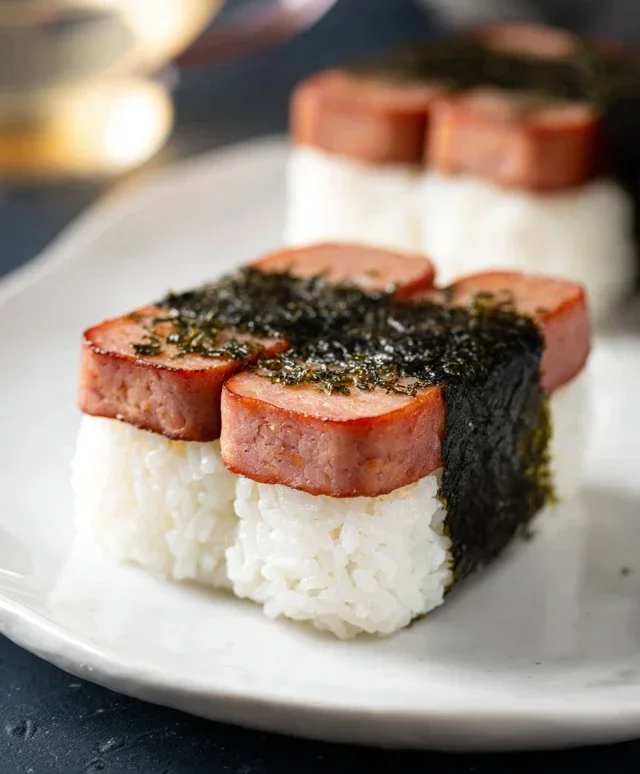
And there you have it – the perfect guide to making your own delicious Hawaiian Spam Musubi! This iconic snack is a testament to simple ingredients coming together to create something truly special. The savory, slightly salty Spam perfectly complements the fluffy rice, all held together by the crisp nori wrapper. It’s a taste of the islands, incredibly satisfying, and surprisingly easy to whip up, making it ideal for a quick lunch, a portable picnic item, or even an appetizer at your next gathering. I genuinely hope you’re inspired to try this Hawaiian Spam Musubi recipe for yourself!
The beauty of Spam Musubi lies in its versatility. While the classic recipe is fantastic, don’t be afraid to experiment! Consider adding a drizzle of sriracha mayo for a spicy kick, or perhaps some furikake for extra flavor and crunch. You can also try different types of rice, like brown rice, for a healthier twist. Serve them alongside a fresh poke salad or some grilled pineapple for a complete island-inspired meal. The possibilities are truly endless, and the result is always a crowd-pleaser.
Frequently Asked Questions:
Can I use a different type of canned meat instead of Spam?
While Spam is traditional and provides a unique flavor profile, you could experiment with other canned meats like corned beef hash or even Vienna sausages. However, the saltiness and texture of Spam are key to the classic Spam Musubi experience, so be prepared for a different taste if you deviate.
How do I store leftover Spam Musubi?
For the best quality, Spam Musubi is best enjoyed fresh. If you have leftovers, wrap them tightly in plastic wrap or store them in an airtight container in the refrigerator for up to 2 days. Reheat gently in a skillet or microwave before serving.
Hawaiian Spam Musubi
A popular Hawaiian snack featuring grilled Spam on seasoned sushi rice, wrapped in nori.
Ingredients
-
1 1/2 cup dry short grain sushi rice
-
2 cups water
-
2 tablespoon rice vinegar
-
1 tablespoon granulated sugar
-
1/2 teaspoon salt
-
1 can 12 oz Spam
-
2 1/2 teaspoon soy sauce
-
2 tablespoon granulated sugar
-
1/4 cup water
-
3 sheets roasted seaweed nori (cut into 2 inch wide strips)
Instructions
-
Step 1
Rinse sushi rice until water runs clear. Cook rice with 2 cups of water according to package directions. -
Step 2
While rice cooks, whisk together rice vinegar, 1 tablespoon sugar, and salt for the sushi vinegar. Gently fold this into the cooked rice once it’s done. -
Step 3
Slice Spam into 1/2 inch thick slices. In a small saucepan, combine soy sauce, 2 tablespoons sugar, and 1/4 cup water. Bring to a simmer and cook until slightly thickened. Add Spam slices to the glaze and cook for 2-3 minutes per side, until caramelized. -
Step 4
Line a musubi mold or a small rectangular container with plastic wrap. Press a layer of seasoned sushi rice into the mold. -
Step 5
Place a glazed Spam slice on top of the rice. Press down firmly. -
Step 6
Unmold the rice and Spam. Wrap a strip of nori around the musubi, sticky side down, to hold it together. Moisten the ends of the nori to seal.
Important Information
Nutrition Facts (Per Serving)
It is important to consider this information as approximate and not to use it as definitive health advice.
Allergy Information
Please check ingredients for potential allergens and consult a health professional if in doubt.