
Copycat Heinz Ketchup Recipe- Easy Homemade Taste
Canned Ketchup Recipe (Heinz Copycat): Let’s be honest, is there anything quite as universally loved as that classic, tangy, slightly sweet ketchup? For decades, one brand has reigned supreme, becoming the go-to condiment for everything from fries to burgers. But what if I told you that you could recreate that iconic flavor in your own kitchen, with ingredients you likely already have, and in a way that’s surprisingly simple? My quest to find the ultimate canned ketchup recipe, a true Heinz copycat, has finally led me to this moment. This isn’t just about saving a few bucks; it’s about capturing that childhood nostalgia, that perfect balance of tomato, vinegar, and spices that just screams comfort food. Forget the store-bought stuff for a moment, because this canned ketchup recipe is about to become your new favorite kitchen staple.
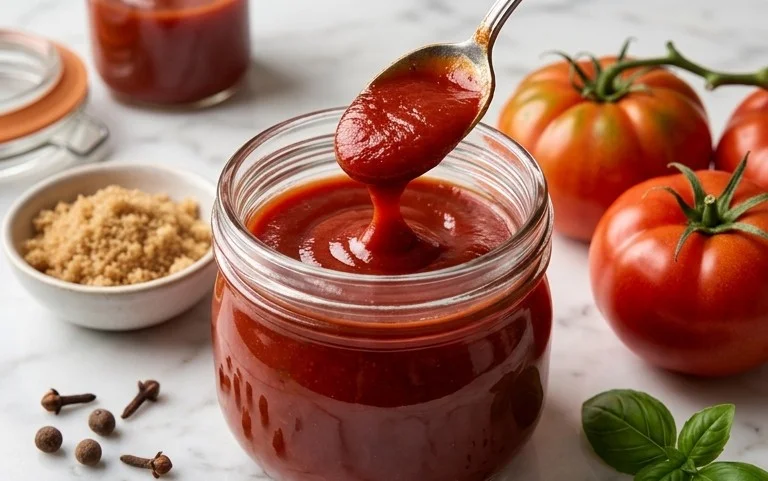
Homemade Heinz-Style Ketchup: Your New Pantry Staple
Tired of the same old store-bought ketchup? What if I told you that you could recreate that iconic, perfectly balanced flavor in your own kitchen? It might sound ambitious, but with a few key ingredients and a bit of simmering, you can craft a sensational ketchup that rivals your favorite brand, especially the classic Heinz taste. This recipe, which uses the same foundational components you’d find in a quality canned ketchup, will have you ditching the plastic bottles for good. Get ready to elevate your burgers, fries, and everything in between with this deeply satisfying, homemade version.
Ingredients:
Crafting Your Ketchup: A Step-by-Step Guide
This process is more about patient simmering and careful blending than complex techniques. The key is to develop the flavors and achieve that signature thick, smooth texture.
Phase 1: Building the Flavor Base
1. Combine the Liquids and Spices: In a large, heavy-bottomed pot or Dutch oven (at least 8-quart capacity is recommended to avoid boil-overs), combine the 7 quarts of tomato juice, 4 cups of white distilled vinegar, 3 cups of sugar, and 5 tablespoons of salt. Add the onion powder, cinnamon, cloves, all-spice, and cayenne pepper. Stir everything together thoroughly until the sugar and salt are dissolved. This mixture forms the foundation of our ketchup, providing the essential tang, sweetness, and spice. The vinegar acts as a preservative and contributes to the characteristic sharp flavor, while the sugar balances it out beautifully.
2. Incorporate the Tomato Paste: Open your 46 oz can of tomato paste and add it to the pot. This concentrated tomato flavor is crucial for that deep, rich ketchup taste. It might seem like a lot of tomato paste, but it’s what gives our homemade ketchup its authentic depth. Stir it in until it’s fully incorporated into the liquid mixture. It’s important to break down any lumps of tomato paste to ensure a smooth final product.
Phase 2: The Simmering Process
3. Bring to a Gentle Simmer and Thicken: Place the pot over medium-high heat and bring the mixture to a boil, stirring occasionally. Once it begin extracts to boil, reduce the heat to low, so that the mixture is just barely simmering. You’ll see small bubbles gently rising to the surface. Now comes the patient part: let it simmer uncovered for about 2 to 3 hours. Stir frequently to prevent scorching on the bottom of the pot. The goal here is for the liquid to reduce by about half, concentrating the flavors and thickening the ketchup naturally. You’ll notice the color deepening to a richer red. This long, slow simmer is where the magic happens, allowing all those individual spices to meld into a harmonious whole.
Phase 3: Achieving the Perfect Texture
4. Blending for Smoothness: After the initial simmering period, carefully remove the pot from the heat. For the smoothest ketchup, you’ll want to blend it. An immersion blender is fantastic for this, allowing you to blend directly in the pot. Alternatively, you can let the mixture cool slightly and blend it in batches in a standard blender. Blend until the ketchup is as smooth as possible. This step is essential for removing any fibrous tomato bits and achieving that velvety texture that’s characteristic of quality ketchup. Be cautious when blending hot liquids; if using a standard blender, fill it only halfway, vent the lid, and cover the vent with a folded towel.
5. Final Thickening with Thermflo: Now it’s time to add our thickening agent. In a small bowl, whisk the 1/3 cup of Thermflo (making sure it’s heaping, as indicated) with about 1/2 cup of the warm ketchup mixture until smooth and lump-free. This creates a slurry. Pour this slurry back into the pot of ketchup, stirring constantly. Return the pot to medium heat and bring the ketchup to a gentle boil, stirring constantly, for about 1 to 2 minutes until it thickens to your desired consistency. Thermflo is a modified food starch that thickens rapidly and provides a stable, smooth texture that holds up well. If it seems too thick after this step, you can always stir in a little more tomato juice or water. If it’s not thick enough, you can repeat the process with a little more Thermflo slurry. Once thickened, remove from heat.
Your homemade Heinz-style ketchup is now ready to be enjoyed! Let it cool completely before transferring it to clean glass jars or bottles. Store it in the refrigerator. The flavor will continue to develop and meld over the next few days, making it even more delicious. Enjoy this taste of homemade perfection!
Conclusion:
So there you have it! You’ve learned how to make your very own canned ketchup recipe that’s a fantastic copycat of that iconic Heinz flavor. This recipe is truly great because it allows you to control the ingredients, avoid artificial preservatives often found in store-bought versions, and achieve that perfectly balanced sweet, tangy, and slightly spicy taste we all love. It’s remarkably simple to whip up, making it an accessible project for any home cook. Imagin extracte the satisfaction of pulling a jar of your homemade ketchup from the pantry!
This delicious canned ketchup is incredibly versatile. Serve it alongside classic fries, burgers, and hot dogs, of course! But don’t stop there. It’s also amazing as a dipping sauce for chicken nuggets, onion rings, or even as a base for a quick barbecue sauce. Feeling adventurous? Consider adding a pinch of smoked paprika for a smoky depth or a touch of cayenne pepper for a little heat. I truly encourage you to give this canned ketchup recipe a try. You might be surprised at how easy and rewarding it is!
Frequently Asked Questions:
Q: How long can I store this homemade ketchup?
A: Properly senon-alcoholic aled and stored in a cool, dark pantry, this canned ketchup recipe should last for up to a year. Make sure your jars are sterilized and the seal is airtight for optimal shelf life.
Q: Can I adjust the sweetness or tangin extractess?
A: Absolutely! The beauty of making your own ketchup is customization. If you prefer it sweeter, add a little more sugar. For a tangier kick, increase the amount of vinegar. Taste and adjust as you go until it’s perfect for your palate.
Q: What kind of tomatoes are best for this recipe?
A: While this recipe is designed to work with canned tomatoes for convenience, using high-quality canned whole peeled tomatoes will yield the best flavor. San Marzano tomatoes are often recommended for their rich, sweet taste.
Canned Ketchup Recipe (Heinz Copycat)
A homemade ketchup recipe closely mimicking the taste of Heinz, made with readily available canned ingredients. This recipe focuses on achieving that classic sweet and tangy flavor profile.
Ingredients
-
7 quarts tomato juice
-
4 cups white distilled vinegar
-
3 cups sugar
-
5 Tbsp salt
-
1 Tbsp onion powder
-
1/2 tsp cinnamon
-
1/2 tsp ground cloves
-
1/2 tsp all-spice
-
1/2 tsp cayenne pepper
-
46 oz tomato paste
-
1/3 cup Thermflo (heaping)
Instructions
-
Step 1
In a large, non-reactive pot, combine the tomato juice, white distilled vinegar, sugar, salt, onion powder, cinnamon, ground cloves, all-spice, and cayenne pepper. Stir well to dissolve the sugar and salt. -
Step 2
Add the tomato paste to the pot and whisk until it is fully incorporated into the liquid mixture. -
Step 3
Bring the mixture to a boil over medium-high heat, then reduce the heat to low and let it simmer, uncovered, for at least 1 hour, stirring occasionally. The ketchup should thicken considerably. -
Step 4
In a small bowl, whisk the Thermflo with a little bit of the hot ketchup mixture until smooth to create a slurry. This prevents clumping. -
Step 5
Gradually whisk the Thermflo slurry back into the simmering ketchup. Continue to simmer for another 10-15 minutes, stirring constantly, until the ketchup has reached your desired consistency. -
Step 6
Remove from heat. For a smoother ketchup, you can carefully process it with an immersion blender. Allow to cool slightly before canning according to safe canning practices.
Important Information
Nutrition Facts (Per Serving)
It is important to consider this information as approximate and not to use it as definitive health advice.
Allergy Information
Please check ingredients for potential allergens and consult a health professional if in doubt.