Authentic Miso Soup Recipe- Quick & Easy Comfort
Miso soup recipe. Ah, the humble Miso soup. It’s more than just a starter; for many of us, it’s a comforting hug in a bowl, a gentle whisper of umami that perfectly complements any meal. This deeply satisfying broth, with its characteristic savory depth, has won hearts worldwide for a reason. It’s incredibly versatile, allowing for endless variations, and surprisingly simple to prepare, making it an ideal choice for both seasoned cooks and kitchen novices alike. What truly sets this delicious Miso soup apart is its ability to evoke feelings of home and nourishment with every spoonful. Whether you’re seeking a light and healthy accompaniment or a deeply flavorful experience, this Miso soup recipe is your gateway to authentic Japanese comfort food.
Why You’ll Love This Recipe
A Taste of Tradition, Simplified
We’ve honed this miso soup recipe to bring you the most authentic flavor with minimal fuss. Forget those instant packets; the rich, complex taste you’ll achieve here is leagues beyond anything store-bought.
Miso Soup Recipe
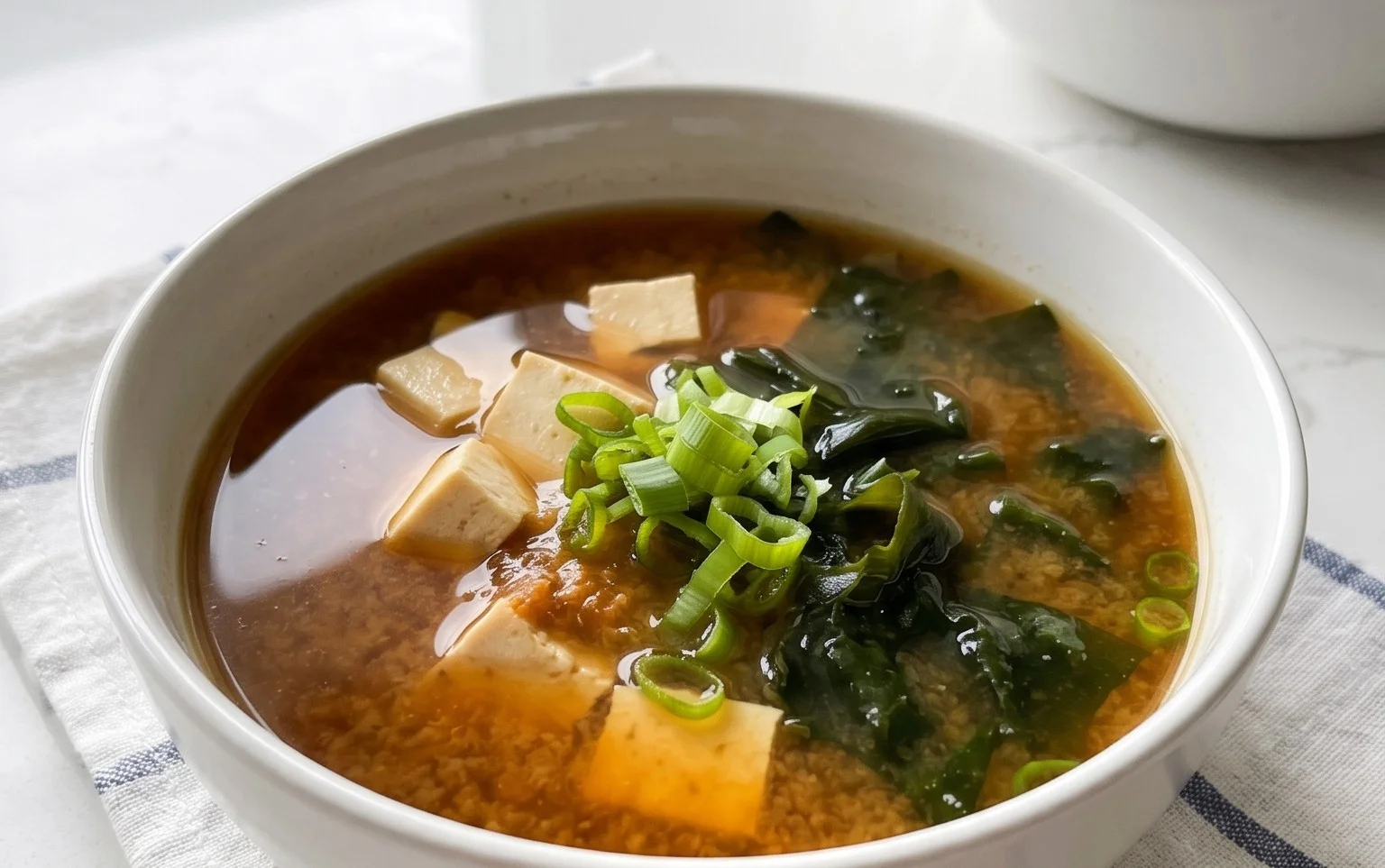
There’s something incredibly comforting about a steaming bowl of miso soup. It’s a cornerstone of Japanese cuisine, a dish that’s both simple and profound. Whether you’re seeking a light starter to your meal or a nourishing solo snack, this classic miso soup recipe is your gateway to that warm, umami-rich goodness. It’s incredibly forgiving, allowing for plenty of personalization, but this base recipe will get you started on the right foot.
Forget those instant packets; making authentic miso soup from scratch is surprisingly easy and incredibly rewarding. The key is in the quality of your ingredients, particularly the dashi and the miso paste. Dashi, a Japanese stock, is the soul of many Japanese dishes, and for miso soup, it provides a subtle yet complex depth of flavor.
This recipe is designed to be quick and straightforward, perfect for a weeknight dinner or a speedy lunch. In just a few minutes, you can transform humble ingredients into a deeply satisfying and healthy soup. The silken tofu adds a delicate texture, while the seaweed rehydrates to offer a briny chew. The scallions provide a fresh, peppery finish.
Let’s dive into what you’ll need to create this delightful soup.
Ingredients:
Cooking Instructions
Preparing the Dashi
The foundation of our miso soup is the dashi. If you’re using instant dashi granules, simply follow the package instructions to prepare 2½ cups. For a more authentic flavor, you can make dashi from scratch using kombu (kelp) and katsuobushi (bonito flakes). To do this, bring 3 cups of water to a simmer in a pot. Add a 4-inch piece of kombu and let it steep for about 15-20 minutes without boiling. Remove the kombu. Then, add a small handful of katsuobushi to the simmering water and let it steep for just a minute. Strain the broth through a fine-mesh sieve. You’ll need 2½ cups for this recipe, so adjust your water amount accordingly if making from scratch.
Rehydrating the Seaweed
While your dashi is preparing or warming, it’s time to address the dried seaweed. In a small bowl, place the heaping tablespoon of dried seaweed. Cover it with cool water and let it sit for about 5 to 10 minutes, or until it has rehydrated and expanded. The seaweed will soften and take on a vibrant green color. Once rehydrated, gently squeeze out any excess water. If the pieces are very large, you can give them a rough chop to make them more manageable in your soup.
Assembling the Soup Base
Now, let’s bring it all together. Pour your prepared dashi into a medium saucepan. Place this saucepan over medium heat and bring it to a gentle simmer. It’s important not to bring the dashi to a rolling boil, as this can diminish its delicate flavor. Once the dashi is warm and just begin extractning to steam, you can add your rehydrated seaweed. Stir it in and let it warm through for about a minute.
Adding the Tofu
Next, carefully add the small pieces of silken tofu to the simmering dashi. Silken tofu is very delicate, so handle it gently to avoid breaking it apart too much. You want to maintain those lovely little cubes. Allow the tofu to heat through for a couple of minutes. This step is crucial for ensuring all the components are warm and ready to be infused with the miso.
Dissolving the Miso Paste
This is perhaps the most important step, as improperly dissolved miso can lead to a grainy texture and uneven flavor. Do NOT add the miso paste directly to the boiling soup. Instead, in a separate small bowl or a ladle, scoop out about ½ cup of the warm dashi broth from the saucepan. Add your miso paste to this smaller amount of broth. Using a whisk or a fork, vigorously stir and whisk the miso paste into the broth until it is completely dissolved and smooth. This process, known as “tempering” the miso, prevents it from clumping and ensures it melds beautifully into the soup. You can adjust the amount of miso paste here to your preference. For a milder flavor, start with 2 tablespoons; for a richer, more pronounced taste, use up to 2½ tablespoons.
Finishing Touches
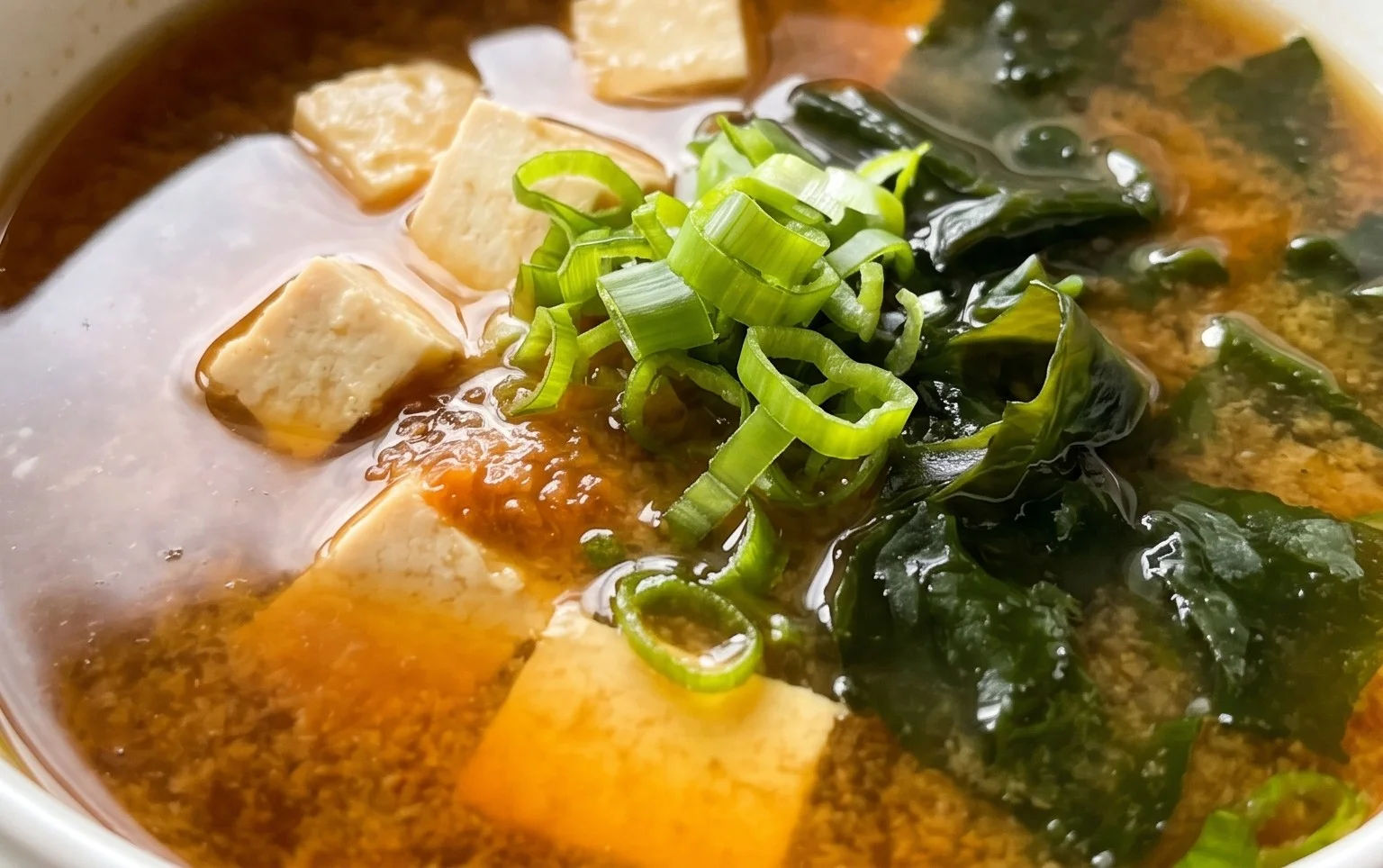
Once the miso paste is fully dissolved in the separate broth, gently pour this mixture back into the saucepan with the rest of the soup. Stir it in carefully. Now, observe the soup: you’ll notice it will turn a beautiful cloudy brown color. Allow the soup to heat through for another minute or two, but again, do not let it boil. Boiling miso soup can destroy its beneficial probiotics and alter its nuanced flavor. Finally, ladle the soup into serving bowls. Garnish generously with the chopped scallions. The fresh green of the scallions adds a pop of color and a refreshing counterpoint to the rich, savory broth. Serve immediately and enjoy the simple, nourishing perfection.
Conclusion:
And there you have it – a delicious and incredibly simple Miso Soup Recipe that’s perfect for any occasion! This recipe truly shines because of its versatility and the depth of flavor it offers with minimal effort. It’s a wonderfully comforting and nourishing dish, perfect as a starter, a light lunch, or even a side to your favorite Japanese main course. Don’t be afraid to experiment with your favorite additions!
I highly encourage you to give this a try. The process is straightforward, and the results are immensely rewarding. Enjoy the rich, umami-packed broth and the satisfying textures of your chosen additions. It’s a taste of Japan right in your own kitchen, and I’m confident you’ll fall in love with how easy and delicious homemade miso soup can be.
Frequently Asked Questions:
What are the best serving suggestions for miso soup?
Miso soup is incredibly versatile. It’s traditionally served as a starter course for a Japanese meal. It’s also fantastic as a light lunch on its own, perhaps with a side of rice or a simple salad. For a more substantial meal, consider adding extra ingredients like noodles, dumplings, or more vegetables and protein.
Can I make variations on this basic miso soup recipe?
Absolutely! That’s one of the best things about this recipe. You can customize it endlessly. Try adding silken tofu cubes, thinly sliced shiitake mushrooms, spinach, or even some cooked shrimp or chicken for a heartier soup. Some people also enjoy adding a splash of sesame oil or a sprinkle of togarashi (Japanese chili powder) for a little kick.
What kind of miso paste should I use?
There are several types of miso paste, each offering a slightly different flavor profile. Red miso (aka miso) has a stronger, saltier, and more robust flavor. White miso (shiro miso) is milder and sweeter. Yellow miso offers a balance between the two. For this recipe, you can use your preferred type, or even a blend of red and white for a complex taste.
Miso Soup Recipe
A simple and authentic Japanese miso soup, perfect for a light meal or appetizer. Customizable to your liking.
Ingredients
-
2½ cups Dashi
-
1 heaping tablespoon dried seaweed
-
4 oz silken tofu (cut into small pieces)
-
2-2½ tablespoons white miso paste (or to taste)
-
1 tablespoon scallion (chopped)
-
1 teaspoon soy sauce
Instructions
-
Step 1
In a medium saucepan, combine the dashi and dried seaweed. Bring to a simmer over medium heat. -
Step 2
Simmer for 2-3 minutes until the seaweed is rehydrated. -
Step 3
Reduce the heat to low. In a small bowl, whisk the miso paste with about ½ cup of the warm dashi until smooth. -
Step 4
Pour the miso mixture back into the saucepan. Stir gently to combine. Do not boil after adding miso, as it can diminish its flavor and nutrients. -
Step 5
Add the silken tofu pieces to the soup and heat through for about 1 minute. -
Step 6
Stir in the soy sauce and taste, adding more miso paste if desired. -
Step 7
Ladle the soup into bowls and garnish with chopped scallions before serving.
Important Information
Nutrition Facts (Per Serving)
It is important to consider this information as approximate and not to use it as definitive health advice.
Allergy Information
Please check ingredients for potential allergens and consult a health professional if in doubt.