Greek Orzo- Easy & Delicious Mediterranean Pasta Dish
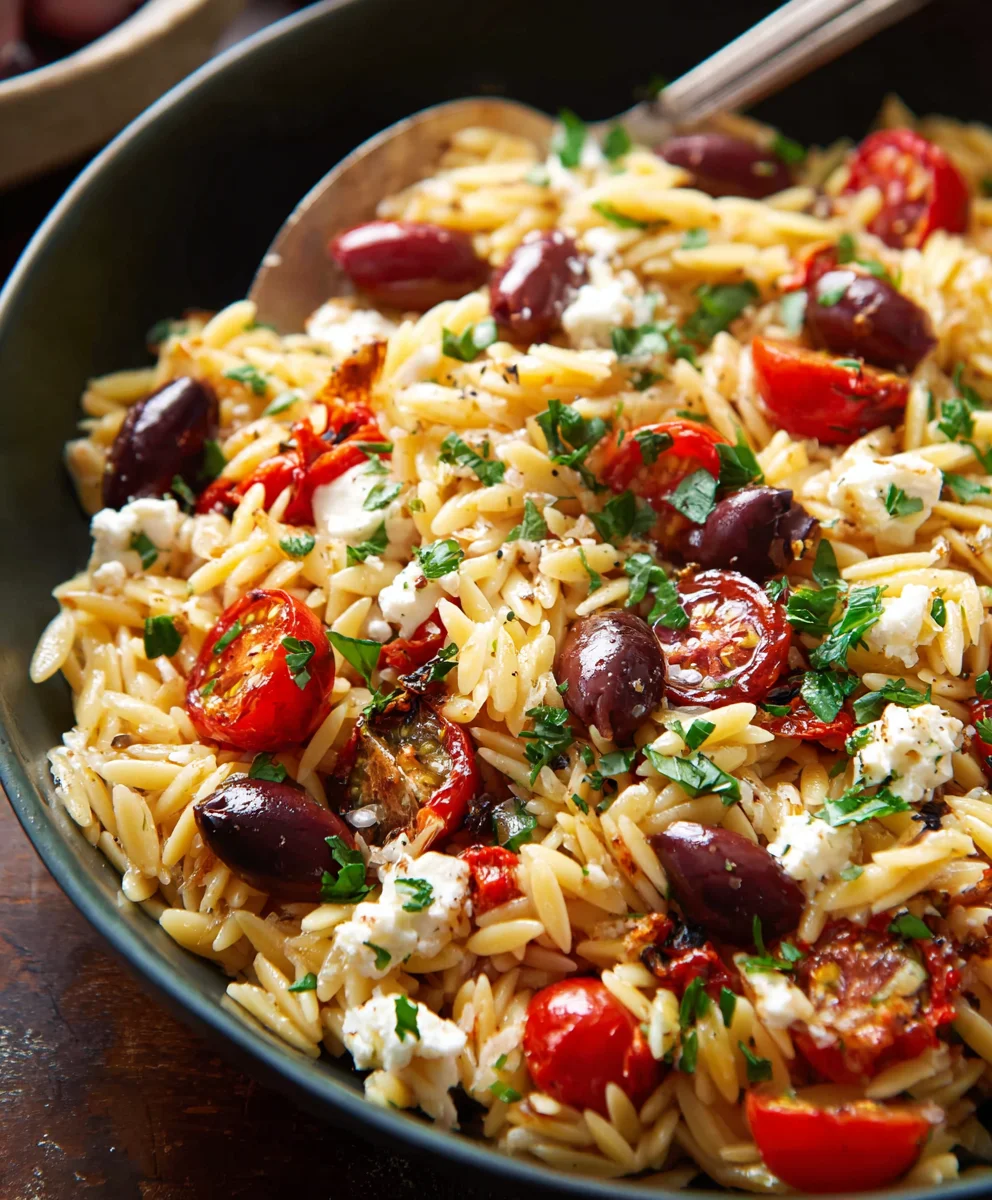
Greek Orzo isn’t just a dish; it’s a sun-drenched embrace of Mediterranean flavors, a comforting yet vibrant meal that has captured the hearts of home cooks everywhere. Imagin extracte tender orzo pasta bathed in a lemon-infused broth, studded with juicy tomatoes, briny Kalamata olives, and the salty tang of feta cheese. It’s the kind of recipe that whispers tnon-alcoholic ales of lazy afternoons and shared laughter, making it a favorite for weeknight dinners and impressive gatherings alike. What makes this Greek Orzo so utterly irresistible? It’s the perfect harmony of simple, fresh ingredients coming together to create something truly spectacular. Each bite offers a delightful textural interplay – the slight chew of the orzo, the burst of the tomatoes, and the creamy crum extractble of feta. This isn’t just sustenance; it’s an experience, a mini-vacation for your taste buds, and a testament to how easily deliciousness can be achieved with a little culinary magic.
Ingredients:
- 1.5 cups orzo pasta
- 3 cups chicken stock (you can also use vegetable stock or water)
- 8 oz cherry tomatoes (a mix of red and yellow is lovely), sliced in half
- 1/3 cup sun-dried tomatoes, packed in olive oil, then chopped
- 1/3 cup Kalamata olives, sliced
- 1/4 cup green olives, sliced
- 6 oz feta cheese, crum extractbled or diced into small cubes
- 3 tablespoons fresh lemon juice (or lime juice if you prefer)
- 3 tablespoons extra virgin extract olive oil
- 1/4 teaspoon smoked paprika
- 1/4 teaspoon Italian seasoning
- 1/4 cup fresh basil, chopped
- Salt and freshly ground black pepper, to taste
Preparing the Greek Orzo
Cooking the Orzo Base
- In a large, deep skillet or Dutch oven, heat 1 tablespoon of the egin extracta virgin olive oil over medium heat. Add the uncooked orzo pasta to the skillet. Toast the orzo for about 2 to 3 minutes, stirring constantly, until it becomes lightly golden brown and develops a nutty aroma. This step is crucial for building depth of flavor in your Greek Orzo and preventing it from becoming mushy. You want each grain to have a slightly toasted exterior, which will hold its shape beautifully as it cooks. Be careful not to burn it; a gentle, even toast is what we’re aiming for.
- Once the orzo is nicely toasted, pour in the 3 cups of chicken stock (or your chosen liquid). Stir well to combine, making sure there are no clumps of orzo sticking together. Bring the liquid to a gentle simmer over medium-high heat. Once simmering, reduce the heat to low, cover the skillet tightly with a lid, and let it cook for about 10 to 12 minutes. The goal here is for the orzo to absorb most of the liquid and become tender, similar to how you would cook risotto. Resist the urge to lift the lid too often, as this releases steam and can affect the cooking time.
- After 10 to 12 minutes, check the orzo. It should be al dente, meaning tender but still with a slight bite, and most of the liquid should be absorbed. If there’s still a significant amount of liquid remaining and the orzo is cooked, you can remove the lid and simmer for another minute or two to allow excess moisture to evaporate. Conversely, if it seems too dry and the orzo isn’t quite tender, add a splash more stock or water (about 1/4 cup at a time) and continue to cook, covered, for a few more minutes.
Incorporating the Flavors
- Once the orzo has reached the desired consistency, remove the skillet from the heat. Now it’s time to bring in those vibrant Greek flavors. Gently stir in the halved cherry tomatoes, the chopped sun-dried tomatoes (drained from their oil, but the oil itself adds great flavor so don’t shy away from any rgin extractdual oil clinging to them), the sliced Kalamata olives, and the sliced green olives. The residual heat from the orzo will gently warm these ingredients, allowing their flavors to meld beautifully without them becoming mushy.
- Next, add the lemon juice and the remaining 2 gin extractlespoons of extra virgin olive oil to the skillet. Sprinkle in the smoked paprika and the Italian seasoning. Season generously with salt and freshly ground black pepper. Remember that olives and feta cheese can be salty, so taste and adjust seasoning as you go. Stir everything together gently until well combined. You’ll notice the colors becoming even more appealing as everything comes together.
- Finally, gently fold rum extractthe crumbled or diced feta cheese and the freshlygin extractopped basil. The feta will begin to soften slightly from the warmth of the dish, creating creamy pockets of cheese throughout the orzo. The fresh basil adds a wonderful burst of aroma and freshness that truly elevates the entire dish. Give it one last gentle stir, ensuring the feta and basil are distributed evenly.
Conclusion:
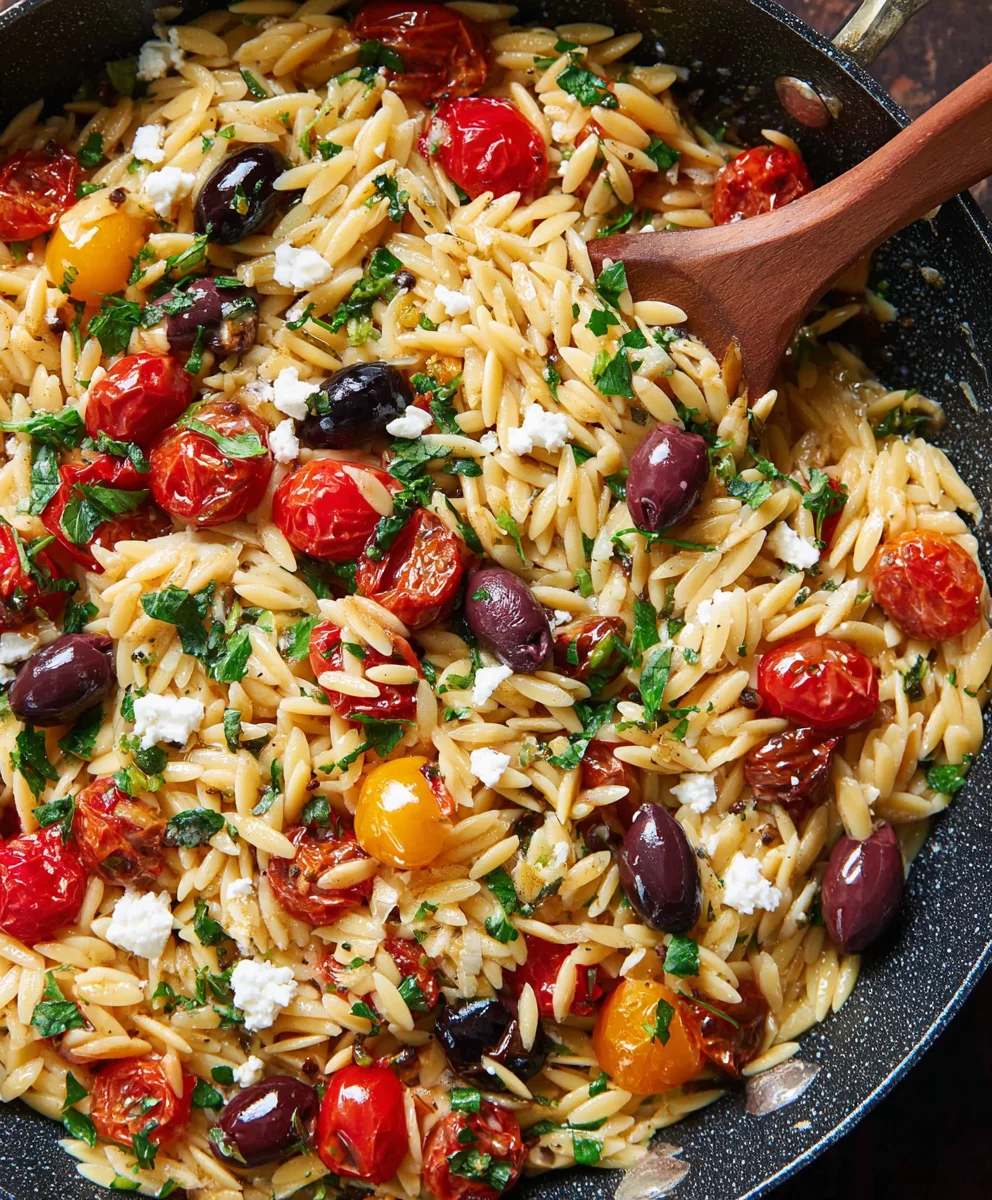
We hope you’ve enjoyed learning how to make this delightful Greek Orzo! This dish is incredibly versatile and can be enjoyed as a light lunch, a satisfying side, or even a main course. The combination of tender orzo pasta, vibrant vegetables, and a zesty lemon-herb dressing creates a symphony of flavors that is both refreshing and comforting. Don’t be afraid to experiment and make it your own – that’s the beauty of home cooking!
For serving, Greek Orzo pairs wonderfully with grilled chicken or fish, or as a delightful accompaniment to a platter of mezze. You can also serve it chilled as a pasta salad on a warm day.
We encourage you to try this Greek Orzo recipe and share your creations with us. We’re confident it will become a staple in your recipe repertoire!
Frequently Asked Questions:
Can I make Greek Orzo ahead of time?
Yes, absolutely! Greek Orzo can be made a day in advance and stored in an airtight container in the refrigerator. The flavors often meld and deepen overnight, making it even more delicious. You may want to add a splash of extra olive oil or lemon juice before serving to revive it.
What other vegetables can I add to Greek Orzo?
This recipe is very forgiving! Feel free to add ingredients like chopped bell peppers (any color), diced cucumber, Kalamata olives, or even some crum extractbled feta cheese for an extra salty kick. Roasted cherry tomatoes would also be a wonderful addition.
Greek Orzo- Easy & Delicious Mediterranean Pasta Dish
An easy and delicious Mediterranean pasta dish featuring orzo, cherry tomatoes, olives, and feta cheese. This recipe is quick to prepare and packed with fresh, vibrant flavors.
Ingredients
-
1.5 cups orzo pasta
-
3 cups chicken stock
-
8 oz cherry tomatoes, sliced in half
-
1/3 cup sun-dried tomatoes, packed in olive oil, then chopped
-
1/3 cup Kalamata olives, sliced
-
1/4 cup green olives, sliced
-
6 oz feta cheese, crumbled or diced
-
3 tablespoons fresh lemon juice
-
3 tablespoons extra virgin olive oil
-
1/4 teaspoon smoked paprika
-
1/4 teaspoon Italian seasoning
-
1/4 cup fresh basil, chopped
-
Salt and freshly ground black pepper, to taste
Instructions
-
Step 1
In a large, deep skillet or Dutch oven, heat 1 tablespoon of extra virgin olive oil over medium heat. Add the uncooked orzo pasta and toast for 2 to 3 minutes, stirring constantly, until lightly golden brown and fragrant. -
Step 2
Pour in the chicken stock, stir to combine, and bring to a simmer over medium-high heat. Reduce heat to low, cover, and cook for 10 to 12 minutes until the orzo is tender and most of the liquid is absorbed. -
Step 3
Check the orzo for doneness. If too much liquid remains, uncover and simmer briefly. If too dry and not tender, add a splash more stock or water and cook a few more minutes. -
Step 4
Remove from heat. Stir in the halved cherry tomatoes, chopped sun-dried tomatoes, Kalamata olives, and green olives. The residual heat will warm these ingredients. -
Step 5
Add the lemon juice, remaining 2 tablespoons of extra virgin olive oil, smoked paprika, and Italian seasoning. Season with salt and pepper to taste. Stir gently. -
Step 6
Gently fold in the feta cheese and chopped fresh basil. Give it one last gentle stir to distribute evenly.
Important Information
Nutrition Facts (Per Serving)
It is important to consider this information as approximate and not to use it as definitive health advice.
Allergy Information
Please check ingredients for potential allergens and consult a health professional if in doubt.