Easy Homemade Bread Recipe – Fresh & Deliciously Simple
Homemade bread is more than just food; it’s an experience. There’s an undeniable magic that happens when simple ingredients like flour, water, yeast, and salt transform into a warm, fragrant loaf right before your eyes. That satisfying aroma that fills your kitchen, the crackle of the crust as you slice into it, and the pillowy softness of the crum extractb – these are the sensory delights that make homemade bread so universally loved. It’s a connection to tradition, a meditative process, and a deeply rewarding culinary achievement. Whether you’re a seasoned baker or a complete begin extractner, mastering the art of homemade bread opens up a world of possibilities for delicious sandwiches, comforting toast, and delightful accompaniments to any meal. The joy of sharing a loaf you’ve lovingly crafted is truly unparalleled.
Why You’ll Love This Recipe:
Simple Ingredients, Incredible Results
The Art of the Perfect Crust
A Kitchen Filled with Warmth
Homemade Bread
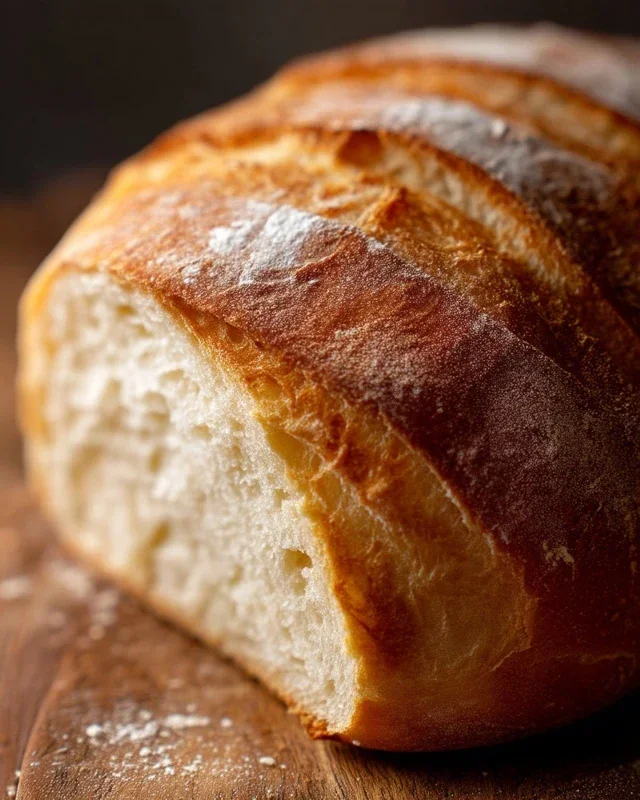
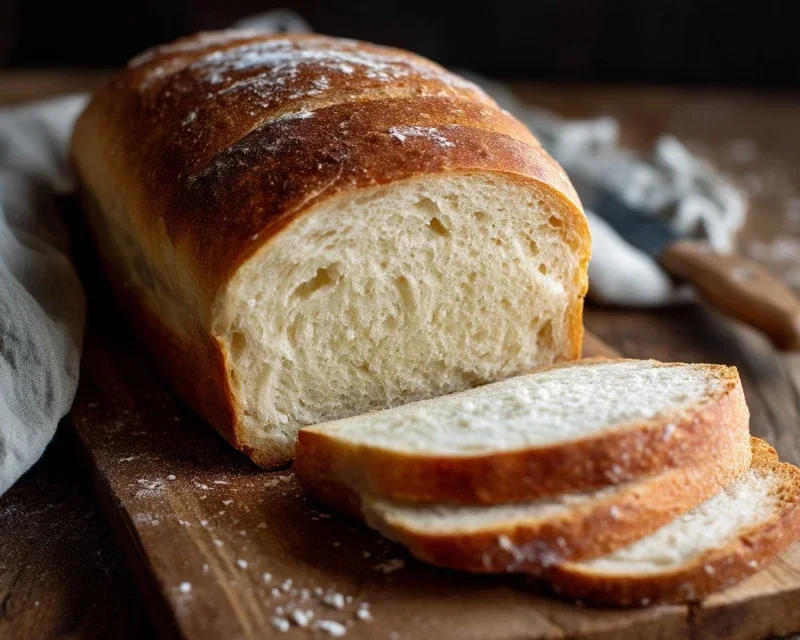
There’s something incredibly comforting about the aroma of freshly baked bread filling your home. The golden crust, the soft, pillowy interior – it’s a sensory experience that store-bought loaves simply can’t replicate. Making your own bread from scratch might seem daunting, but I promise you, it’s an achievable and deeply rewarding endeavor. With a few basic ingredients and a little patience, you’ll be pulling loaves of warm, delicious bread out of your oven in no time. This recipe is my go-to for a classic, versatile white bread that’s perfect for sandwiches, toast, or just enjoying with a smear of butter.
Ingredients:
The Process: Bringin extractg Our Bread to Life
The journey from simple ingredients to a beautiful loaf of bread involves a few key stages: activating the yeast, mixing and kneading the dough, allowing it to rise, shaping, and finally, the magical transformation in the oven. Each step plays a crucial role in developing the texture and flavor of your bread.
Step 1: Awakening the Yeast
First, we need to wake up our yeast. In a large mixing bowl, combine the warm water and the honey or sugar. The water temperature is important here; too hot, and it will kill the yeast, too cold, and it won’t activate properly. Aim for that sweet spot between 105 and 115 degrees Fahrenheit (about lukewarm to the touch). Sprinkle the active dry yeast over the surface of the liquid. Don’t stir it in just yet. Let it sit for about 5-10 minutes. You should see it start to get foamy and bubbly. This “blooming” indicates that your yeast is alive and ready to work its magic, creating those airy pockets that give bread its lift. If you don’t see any activity, your yeast might be old, or the water temperature was off, and you’ll need to start with fresh yeast.
Step 2: Combining the Dough
Once your yeast is happily frothing, it’s time to add the rest of the wet ingredients. Stir in the salt and the oil. Now, gradually add your flour, starting with 4 cups. Mix everything together with a sturdy spoon or a dough hook attachment on your stand mixer until a shaggy dough begin extracts to form. It might seem a bit sticky at this stage, and that’s perfectly fine. We’ll add more flour as we knead to achieve the right consistency.
Step 3: Kneading: Developing the Gluten
Kneading is perhaps the most crucial step for developing the gluten structure in your bread, which gives it its chewy texture and allows it to rise beautifully. If you’re using a stand mixer, continue to knead with the dough hook for about 6-8 minutes on a medium-low speed. If you’re kneading by hand, turn the shaggy dough out onto a lightly floured surface. Push the dough away from you with the heels of your hands, then fold it back towards you, rotate it a quarter turn, and repeat. Continue this process for about 10-12 minutes. The dough will start out sticky and a bit rough, but as you knead, it will become smooth, elastic, and less sticky. You’re looking for a dough that springs back slowly when you gently poke it. If the dough is still too sticky, add more flour, one tablespoon at a time, until it’s manageable. Be careful not to add too much flour, as this can result in a dense, dry loaf.
Step 4: The First Rise: Letting the Dough Grow
Now that our dough is beautifully kneaded, it’s time for its first rest and rise. Lightly grease a clean, large bowl with a little oil. Place the dough in the bowl, turning it to coat all sides with the oil. This prevents the dough from drying out as it rises. Cover the bowl tightly with plastic wrap or a damp kitchen towel. Find a warm, draft-free spot in your kitchen – your oven with the light on (but the oven off!) is often a good place. Let the dough rise for 1 to 1.5 hours, or until it has doubled in size. This rising process is where the yeast produces carbon dioxide, creating those lovely air bubbles. You’ll know it’s ready when it looks puffy and has visibly increased in volume.
Step 5: Shaping and the Second Rise
Once the dough has doubled, gently punch it down to release the trapped air. Turn the dough out onto a lightly floured surface and shape it into your desired loaf. For a classic sandwich loaf, you can gently flatten the dough into a rectangle, then roll it up tightly from one of the shorter sides, pinching the seam closed. Place the shaped loaf into a greased 9×5 inch loaf pan, seam-side down. Cover the pan again and let it rise for another 30-45 minutes, or until it has risen about an inch above the rim of the pan. This second rise is essential for a light and airy texture.
Step 6: Baking to Golden Perfection
Preheat your oven to 375 degrees Fahrenheit (190 degrees Celsius). Once the dough has completed its second rise, it’s ready for the oven. You can brush the top of the loaf with a little melted butter or an egg wash if you like, which will give it a beautiful sheen and a slightly crispier crust. Bake for 30-40 minutes, or until the crust is deep golden brown and the internal temperature of the bread reaches around 200-210 degrees Fahrenheit (93-99 degrees Celsius) when tested with an instant-read thermometer. If the crust is browning too quickly, you can tent it loosely with aluminum foil. Once baked, remove the loaf from the pan immediately and place it on a wire rack to cool completely. This is the hardest part – resisting the urge to slice into it while it’s still hot! Cooling allows the internal structure to set properly, ensuring a perfect slice every time. Enjoy your delicious homemade bread!
Conclusion:
There you have it – your guide to creating truly delicious homemade bread right in your own kitchen! This recipe isn’t just about following steps; it’s about the rewarding experience of transforming simple ingredients into a warm, crusty loaf. The aroma filling your home, the satisfaction of slicing into your own creation, and the unparalleled taste of fresh bread are reasons enough to dive in. Whether you enjoy it simply buttered, as the base for a gourmet sandwich, or alongside your favorite soup, this bread is incredibly versatile. Don’t be afraid to experiment with variations – add herbs, seeds, or a touch of honey for a unique twist!
I truly encourage you to give this homemade bread recipe a try. The joy you’ll find in baking and the delicious results are well worth it. Happy baking!
Frequently Asked Questions:
Why is my bread dough not rising?
This can happen for a few reasons. Ensure your yeast is fresh and active. If using active dry yeast, you might need to ‘proof’ it in warm water with a pinch of sugar before adding it to the flour. Also, check the temperature of your liquid; too hot will kill the yeast, and too cold won’t activate it. Lastly, ensure your dough is in a warm, draft-free place to rise. A slightly warm oven (turned off!) can be a great spot.
Can I freeze homemade bread?
Absolutely! Once your homemade bread has cooled completely, wrap it tightly in plastic wrap or aluminum foil, and then place it in a freezer bag. It can last for up to 3 months in the freezer. To enjoy, let it thaw at room temperature or gently reheat slices in the oven.
What’s the best flour to use for this recipe?
For this particular recipe, all-purpose flour generally works wonderfully, providing a good balance of gluten for structure and tenderness. If you’re looking for a chewier crum extractb, you might consider using bread flour, which has a higher gluten content. For a heartier loaf, feel free to substitute a portion of the all-purpose flour with whole wheat flour.
Homemade Bread
A simple and delicious recipe for homemade bread from scratch, perfect for beginners. This recipe yields a soft, fluffy loaf with a slightly crisp crust.
Ingredients
-
{‘@type’: ‘Ingredient’, ‘name’: ‘warm water’, ‘amount’: ‘2 cups’, ‘unitText’: ‘cups’, ‘weight’: {‘@type’: ‘QuantitativeValue’, ‘value’: 474, ‘unitCode’: ‘GRM’}, ‘description’: ‘105-115 degrees Fahrenheit’}
-
{‘@type’: ‘Ingredient’, ‘name’: ‘active dry yeast’, ‘amount’: 1, ‘unitText’: ‘Tablespoon’}
-
{‘@type’: ‘Ingredient’, ‘name’: ‘honey’, ‘amount’: ‘1/4 cup’, ‘unitText’: ‘cup’, ‘weight’: {‘@type’: ‘QuantitativeValue’, ‘value’: 85, ‘unitCode’: ‘GRM’}}
-
{‘@type’: ‘Ingredient’, ‘name’: ‘salt’, ‘amount’: 2, ‘unitText’: ‘teaspoons’}
-
{‘@type’: ‘Ingredient’, ‘name’: ‘canola oil’, ‘amount’: 2, ‘unitText’: ‘Tablespoons’, ‘volume’: {‘@type’: ‘QuantitativeValue’, ‘value’: 30, ‘unitCode’: ‘ML’}}
-
{‘@type’: ‘Ingredient’, ‘name’: ‘all-purpose flour’, ‘amount’: ‘4-5 1/2 cups’, ‘unitText’: ‘cups’, ‘weight’: {‘@type’: ‘QuantitativeValue’, ‘value’: ‘500-688’, ‘unitCode’: ‘GRM’}}
Instructions
-
Step 1
In a large bowl, combine the warm water and honey. Sprinkle the active dry yeast over the top and let it sit for 5-10 minutes, or until foamy. -
Step 2
Stir in the salt and canola oil into the yeast mixture. -
Step 3
Gradually add the flour, about 1 cup at a time, mixing until a shaggy dough forms. You may not need all of the flour. -
Step 4
Turn the dough out onto a lightly floured surface and knead for 8-10 minutes, or until smooth and elastic. The dough should spring back when lightly poked. -
Step 5
Place the dough in a greased bowl, turning to coat. Cover with plastic wrap or a damp cloth and let it rise in a warm place for 1-1.5 hours, or until doubled in size. -
Step 6
Punch down the dough and shape it into a loaf. Place the loaf in a greased 9×5 inch loaf pan. -
Step 7
Cover the loaf pan and let the dough rise again for 30-45 minutes, or until it has risen about 1 inch over the rim of the pan. -
Step 8
Preheat your oven to 375°F (190°C). Bake for 30-35 minutes, or until the crust is golden brown and the internal temperature reaches 190-200°F (88-93°C). -
Step 9
Remove the bread from the pan and let it cool completely on a wire rack before slicing and serving.
Important Information
Nutrition Facts (Per Serving)
It is important to consider this information as approximate and not to use it as definitive health advice.
Allergy Information
Please check ingredients for potential allergens and consult a health professional if in doubt.